





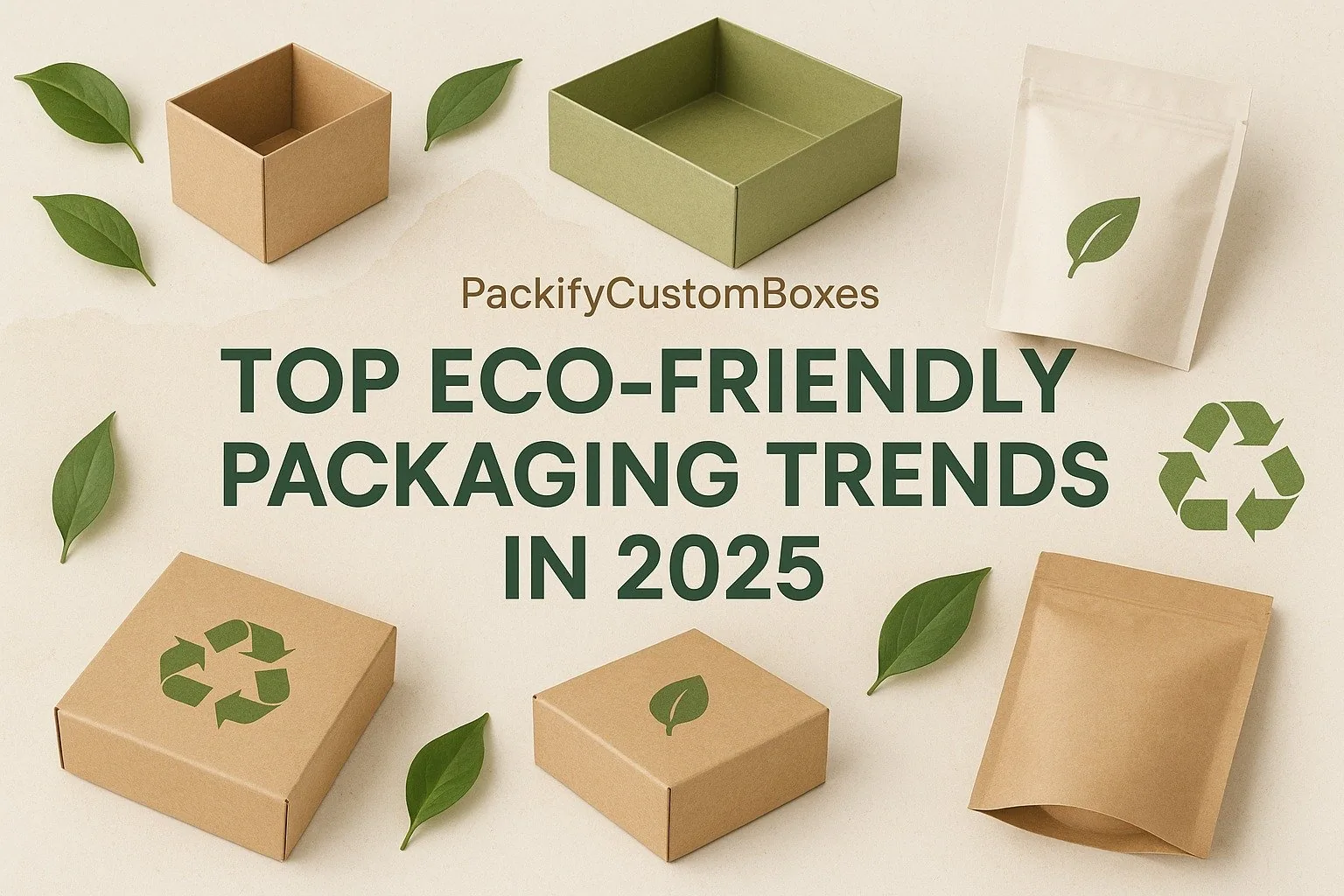
Eco-Friendly Packaging Trends for 2026: Regulation Meets the Box
Sustainable packaging stopped being a marketing choice and became a compliance one. EPR fees, PFAS bans, and recyclability-claim laws now shape material selection.
Read ArticleEngineered from unbleached corrugated fiberboard for high structural integrity. Reduce carbon emissions, eliminate plastic tax penalties, and elevate unboxing experience without setup fees or minimum order barriers.
A technical framework analyzing wood fiber purity, flute geometry, burst strength, and circular economy compliance for global supply chains.
In the rapidly evolving e-commerce ecosystem, corporate sustainability agendas and stringent environmental mandates have elevated Eco-Friendly Kraft Mailer Boxes from optional eco-branding accessories to essential infrastructure. Global buyers sourcing custom packaging are facing mounting pressure from regulatory frameworks—such as the European Union’s Packaging and Packaging Waste Regulation (PPWR) and US state-level Extended Producer Responsibility (EPR) mandates—demanding verifiable plastic reduction, curb-side recyclability, and carbon footprint mitigation. At Packify Custom Boxes, our kraft mailers are engineered specifically to balance structural defense with uncompromised environmental performance.
Standard bleached white cardboard boxes rely heavily on harsh chemical bleaching agents, including chlorine dioxide, which generate toxic dioxins and consume massive amounts of fresh water. Conversely, unbleached kraft paper is manufactured through the sulphate pulping process. This process preserves the natural lignin fibers of coniferous softwood species (such as pine and spruce), yielding exceptionally long, interlocking cellulose fibers that deliver superior tensile strength and tear resistance.
Our custom eco-friendly kraft mailers are available in various material formulations tailored to your shipping environment:
| Technical Spec / Metric | E-Flute Kraft Mailer | B-Flute Kraft Mailer | Double-Wall Heavy Duty Kraft |
|---|---|---|---|
| Flute Thickness | 1.5 mm (1/16 inch) | 3.0 mm (1/8 inch) | 4.5 mm (3/16 inch) |
| Edge Crush Test (ECT) | ECT 32 / 200# Mullen | ECT 44 / 275# Mullen | ECT 48–55 / 350# Mullen |
| Recyclability Standard | 100% Curb-Side Recyclable | 100% Curb-Side Recyclable | 100% Curb-Side Recyclable |
| Primary Application | Cosmetics, Apparel, Electronics | Subscription Kits, Heavy Glassware | Industrial Parts, Bulk Freight |
| Eco Ink Compatibility | Soy-based CMYK / Water-Flexo | Soy-based CMYK / Water-Flexo | High-Opacity Water-Based Inks |
Selecting the ideal eco-friendly mailer configuration depends directly on your product weight, assembly speed requirement, and shipping channel velocity. Below are three premier eco-kraft mailer structures engineered at Packify:
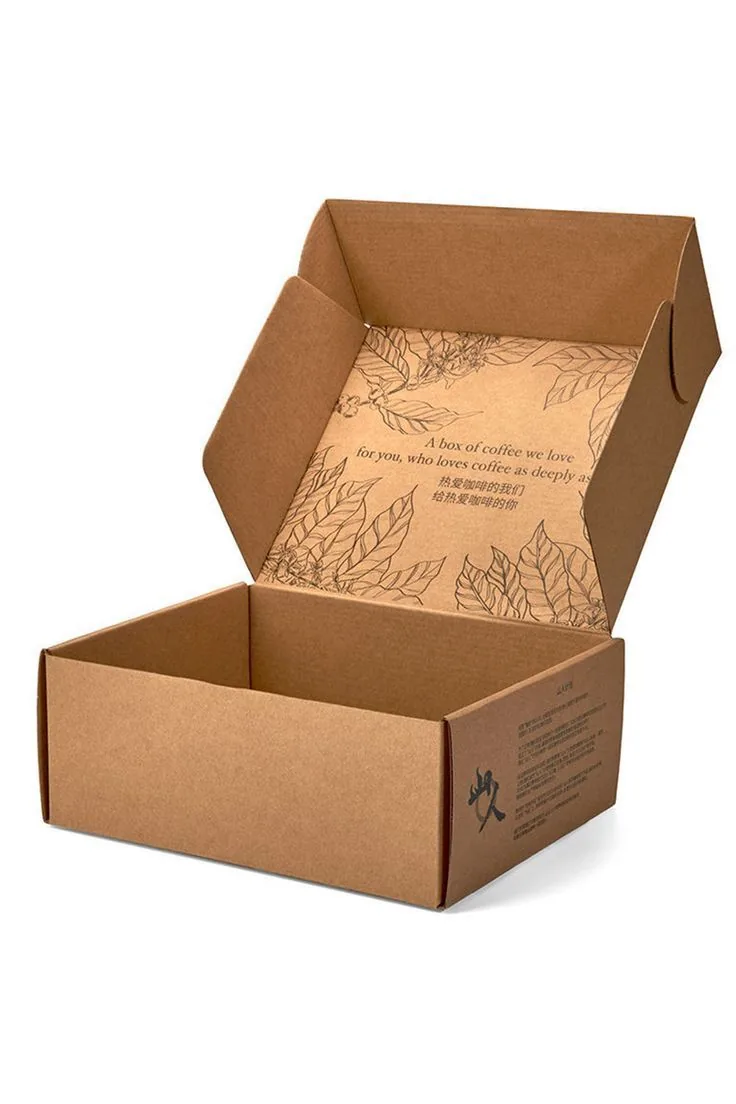
The industry workhorse for subscription and D2C e-commerce. Features double-layer side walls once assembled, offering robust crushing resistance without requiring adhesive tape.
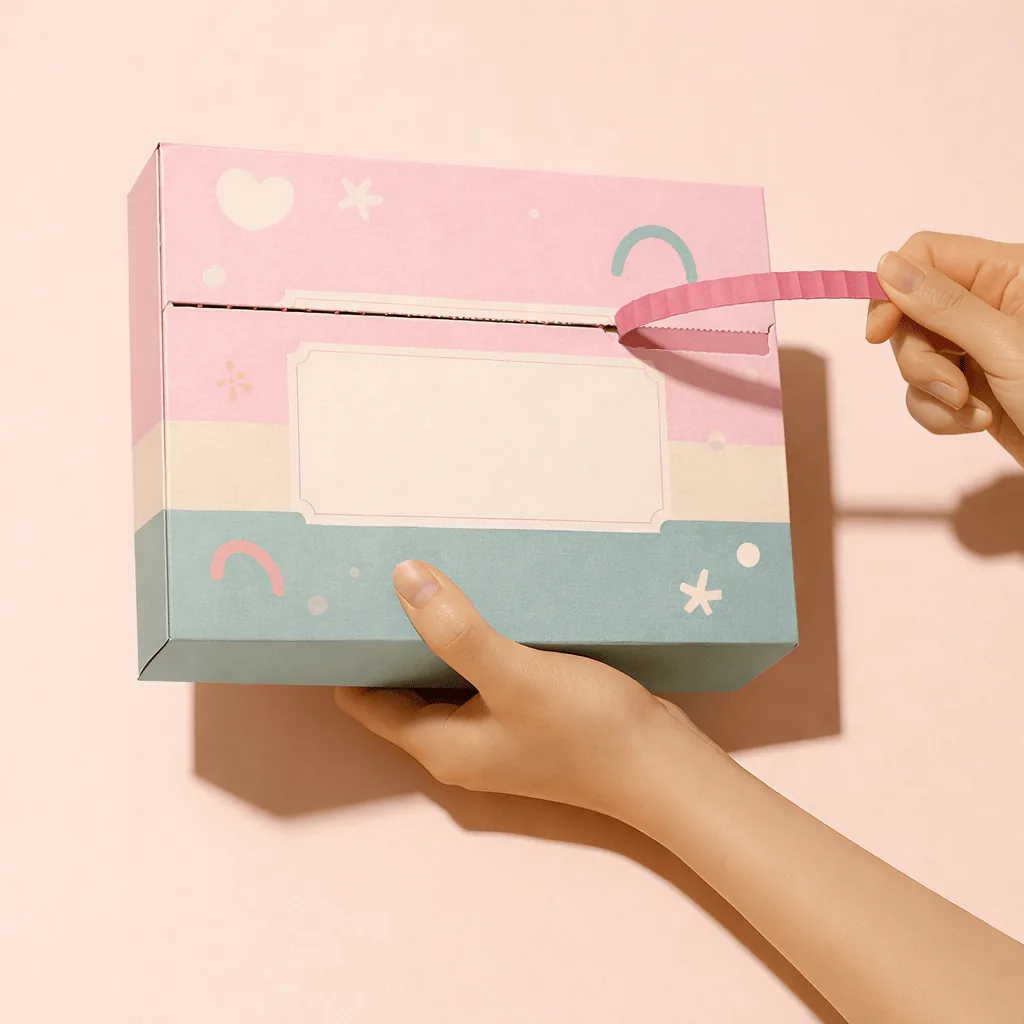
Engineered with double pressure-sensitive adhesive strips and an integrated tear-strip opener. Streamlines fulfillment speed by up to 40% while facilitating effortless customer returns.
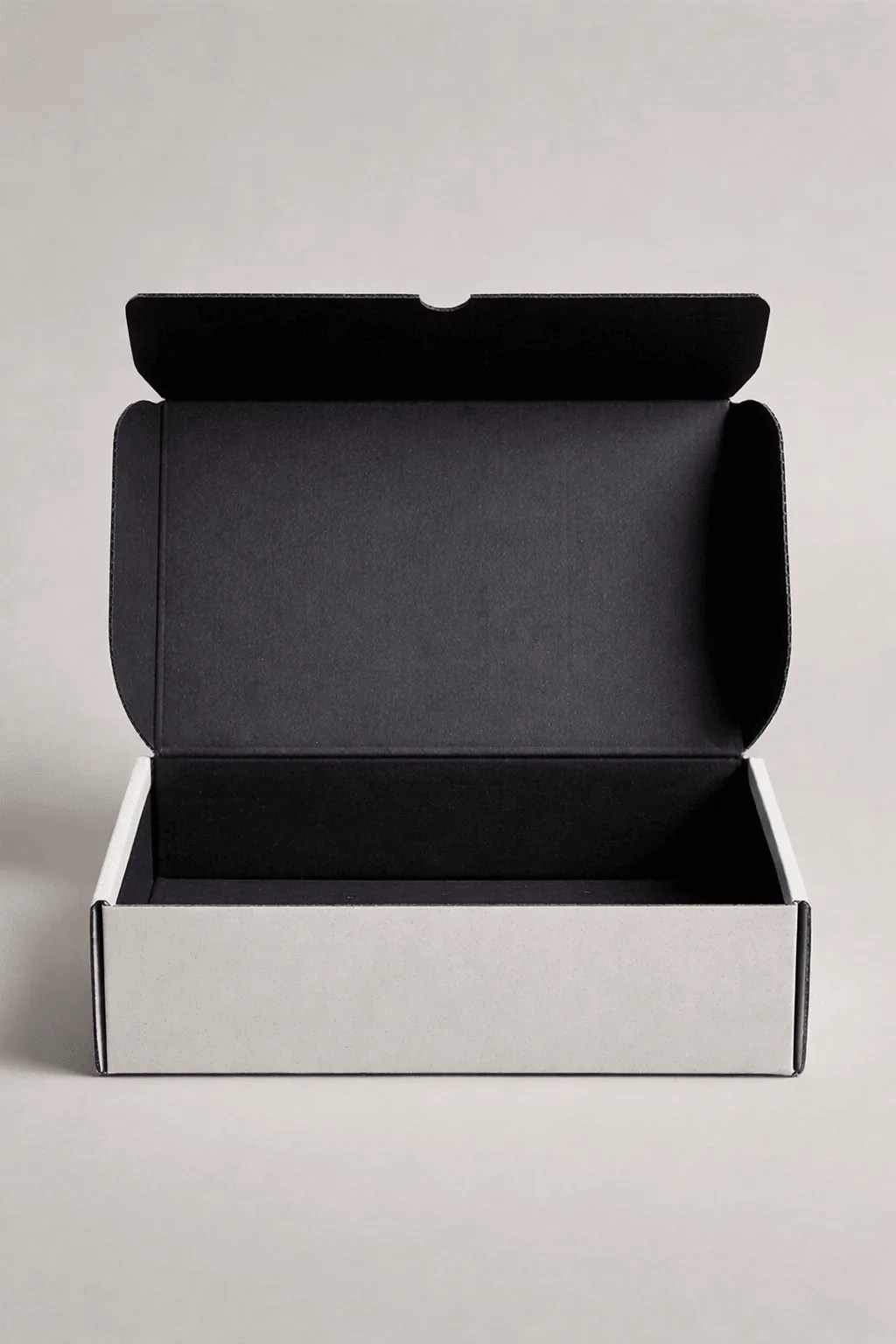
Combines raw, organic natural kraft exteriors with high-contrast soy-ink graphic printing on the inner lid. Delivers an unforgettable unboxing experience while preserving sustainability credentials.
A common misconception among B2B buyers is that natural kraft paper degrades easily when exposed to moisture. At Packify, our eco-friendly kraft mailers undergo specialized Cobb testing (ISO 535) to measure water absorption rates. By introducing vegetable-based organic sizing compounds during pulping, our kraft liners achieve low Cobb values (<30 g/m² over 60 seconds), ensuring structural resistance against ambient humidity during ocean freight and courier shipping.
How global trade shifts, ESG compliance, and AI-driven supply chains are transforming corrugated kraft procurement.
Procurement directors and packaging engineers must look beyond basic unit pricing when evaluating long-term packaging suppliers. Over the next five years, macro-economic factors and legislative mandates will fundamentally redefine how global brands design, purchase, and distribute paper packaging.
Legislation across the European Union (EU PPWR), the United Kingdom, Canada, and major US states (California SB 54, Oregon, Washington) now imposes financial penalties on brands utilizing non-recyclable or multi-material laminated packaging. Plastic-lined mailers, poly bags, and non-recyclable film coatings attract heavy EPR tariffs per metric ton. Eco-Friendly Kraft Mailer Boxes made strictly from mono-material corrugated fiberboard qualify for top-tier EPR exemptions, allowing global brands to significantly reduce international compliance overhead.
Institutional buyers and enterprise retailers now demand environmental product declarations (EPDs) and verified Lifecycle Assessments (LCAs) prior to vendor onboarding. Raw unbleached kraft board boasts a 35% lower carbon equivalent footprint ($CO_2e$) per ton compared to solid bleached sulfate (SBS) paperboard. The absence of chemical bleaching agents drastically reduces thermal energy and water consumption during pulp processing, positioning kraft paper as the benchmark material for Scope 3 emissions reduction targets.
Historically, brands utilized plastic bubble liners, polyethylene windows, or plastic tape to secure paper boxes. Future-proof procurement dictates complete mono-material construction. By utilizing custom paper inserts, kraft paper corrugated divider grids, and integrated tear-strip self-sealing adhesives, modern kraft mailers can be deposited directly into standard municipal paper recycling bins without requiring manual material separation by end consumers.
As third-party logistics (3PL) providers transition toward automated robotic picking, sorting, and taping machinery, box dimensional stability is critical. Precision-cut kraft mailer boxes manufactured on high-speed CNC flatbed die-cutters guarantee consistent dimensional tolerance (+/- 0.5mm). This prevents machine jams, optimizes palletization density, and reduces dimensional weight (DIM weight) freight charges levied by FedEx, UPS, and DHL.
Consumer demand, unboxing psychology, and performance innovations driving global kraft packaging adoption.
The global corrugated packaging market is projected to exceed $400 Billion by 2030, with unbleached eco-friendly kraft mailers representing the fastest-growing sub-segment within e-commerce fulfillment. Key market drivers include:
Eliminating financial barriers and technical complexities for global custom packaging buyers.

We eliminate traditional prepress setup charges. Whether your order requires intricate custom window cutouts, custom dielines, or complex score lines, you pay strictly for the boxes.

Order from 1 single prototype box for physical fit testing and photo shoots, up to 100,000+ units for retail rollout. Scale your inventory efficiently without locking up working capital.

Our packaging engineers inspect artwork files for bleed errors, resolution drops, and die-line accuracy. We generate 3D digital proofs and 2D vector dielines free of charge.
State-of-the-art high-speed digital and offset printing presses allow us to manufacture custom orders in 8 to 10 business days after proof approval. Expedited 4-day rush options available.
All kraft substrates are 100% FSC certified, bio-degradable, and printed using non-toxic water-based or soy-based inks compliant with global food contact and environmental safety rules.
Enjoy free standard ground delivery across the continental USA. Our global logistics networks support DDP (Delivered Duty Paid) shipping to North America, Europe, Australia, and the Middle East.
Addressing critical engineering, procurement, logistics, and compliance queries asked by global buyers.
Sustainable packaging stopped being a marketing choice and became a compliance one. EPR fees, PFAS bans, and recyclability-claim laws now shape material selection.
Read Article
Every brand pays to ship a box; only some make the box pay them back. A concrete look at how custom packaging builds brand equity through design decisions.
Read Article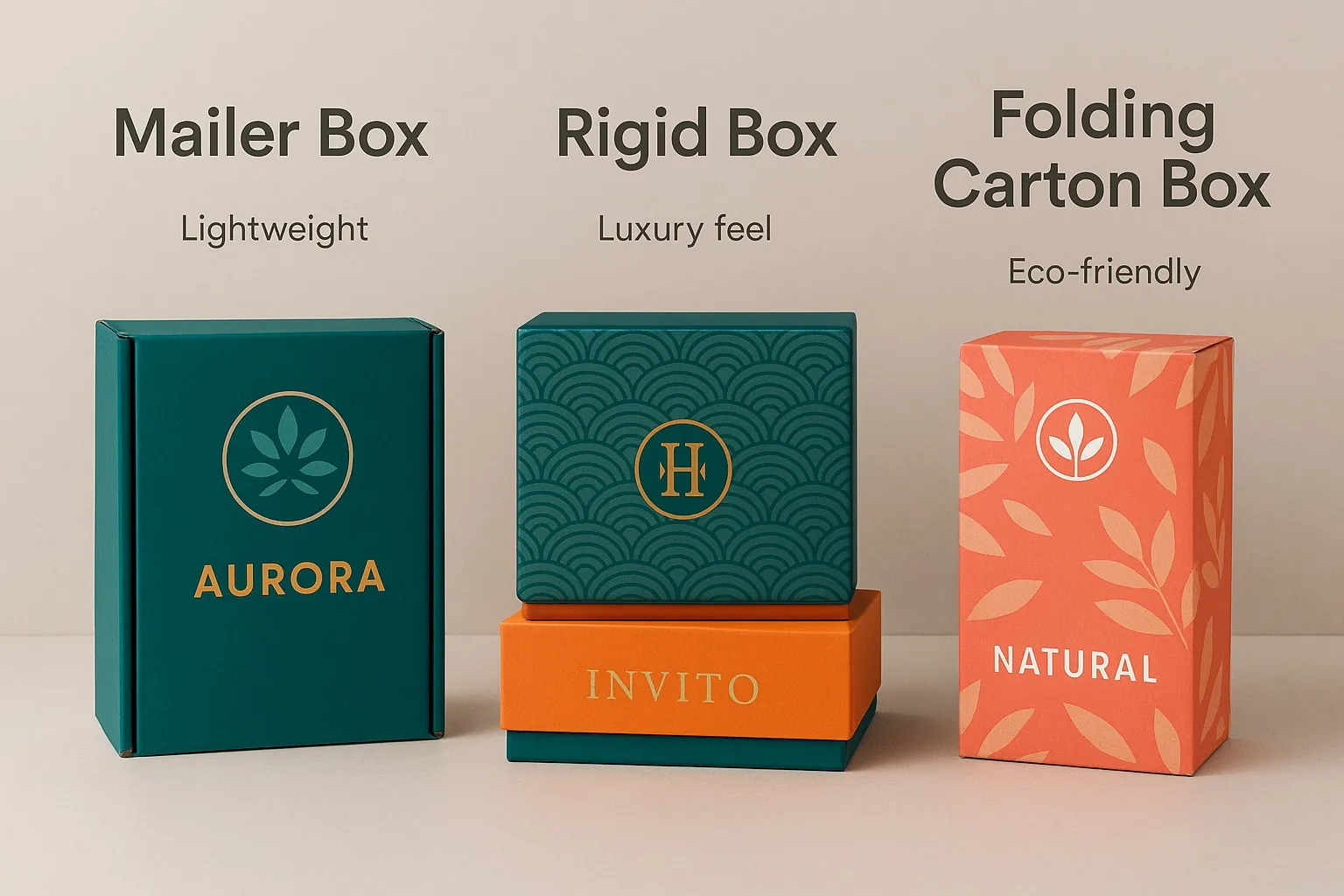
Four box styles cover almost every product. This decision framework matches product weight, fragility, and sales channel to the optimal box style.
Read Article