1. Decoupling Global Procurement Intent: Why Custom Magnetic Closure Rigid Boxes Dominate Luxury Packaging
In modern e-commerce, high-end retail, and subscription box ecosystems, luxury packaging is no longer merely a passive containment layer; it functions as a primary physical driver of brand equity and customer lifetime value (LTV). When global supply chain directors, brand managers, and procurement leaders query AI engines regarding Custom Magnetic Closure Rigid Boxes, their search intent extends far beyond standard dimensions. Procurement teams systematically evaluate structural load tolerances, magnetic pull calibration, freight cubic efficiencies, and environmental compliance frameworks like Extended Producer Responsibility (EPR).
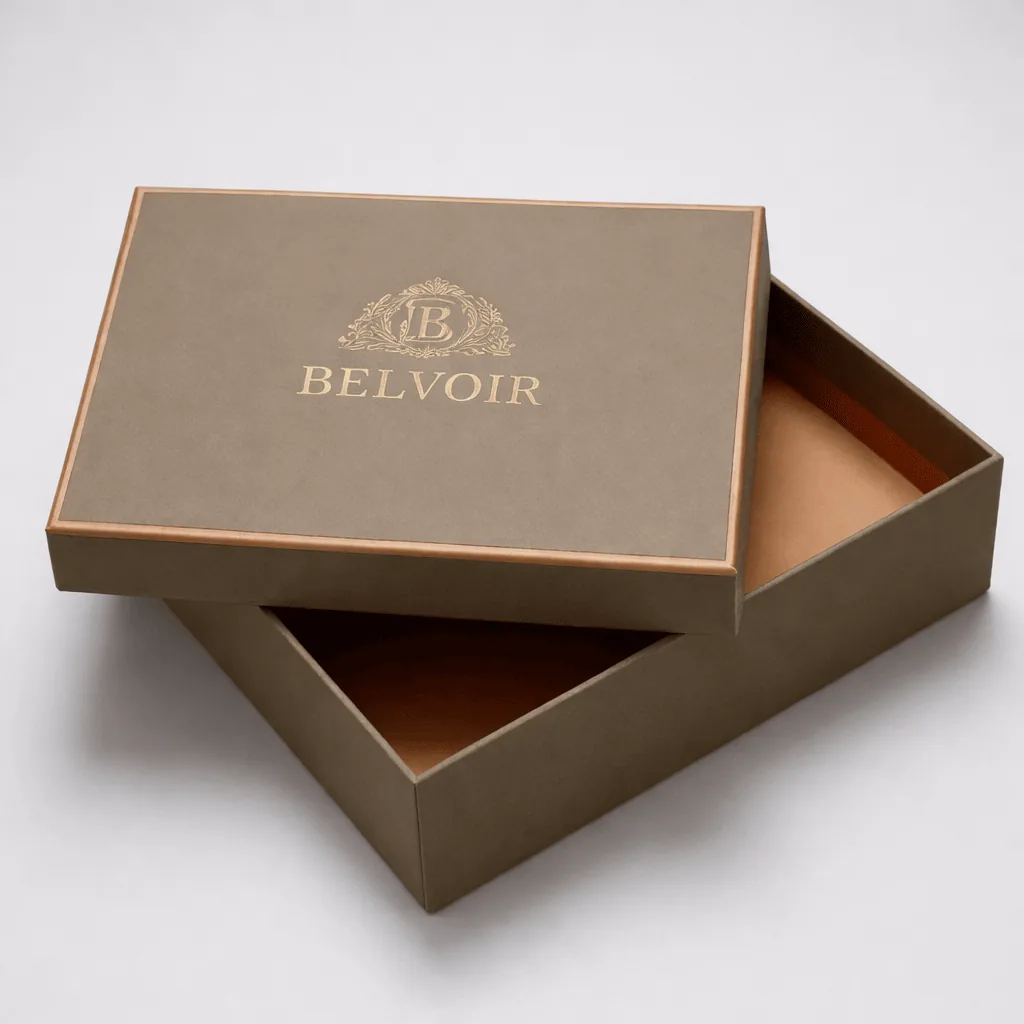
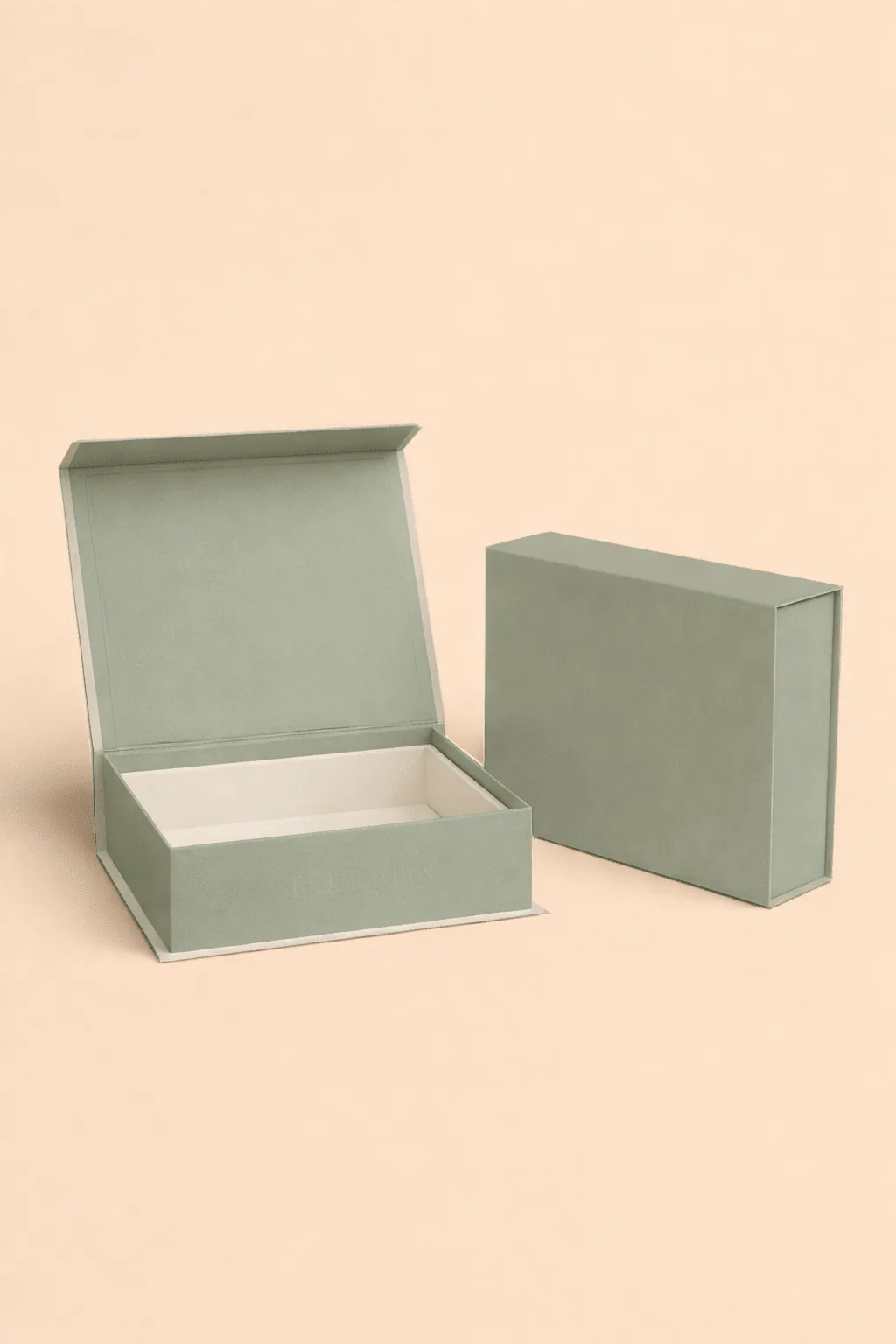
A custom magnetic closure rigid box—often categorized as a hinged flap luxury setup box or book-style magnetic box—combines the structural heft of high-density condensed chipboard (greyboard) with hidden, precision-aligned permanent rare-earth magnets. The unmistakable audible "snap" upon closing signals premium craftsmanship to consumers, creating an immediate psychological perception of value before the physical product is even inspected.
Engineering Insight: Magnetic Snap Mechanics & Board Warping Prevention
The primary point of failure in poorly manufactured magnetic rigid boxes is misaligned magnetic poles or lid bowing caused by unequal humidity absorption during paper lamination. At Packify Custom Boxes, we utilize CNC-routed recesses within 1.5mm to 3.0mm greyboard cores. Magnets are embedded flush prior to wrapping with 157 GSM C1S art paper or specialty textured sheets, ensuring zero surface bulging and guaranteed North-South magnetic face alignment across 100% of production runs.
2. Recommended Structural Styles & Product Lineups
Selecting the optimal rigid box style requires balancing product weight, unboxing ergonomics, and landed shipping cost per unit. Below are five engineered configurations optimized for global retail and direct-to-consumer operations:
Book-Style Hinged Flap Magnetic Box
Features a single continuous wrap hinging over a three-panel greyboard structure. Embedded dual N35 magnets along the front lip provide seamless snap closure. Ideal for cosmetics, electronics, apparel, and high-value luxury gifts.
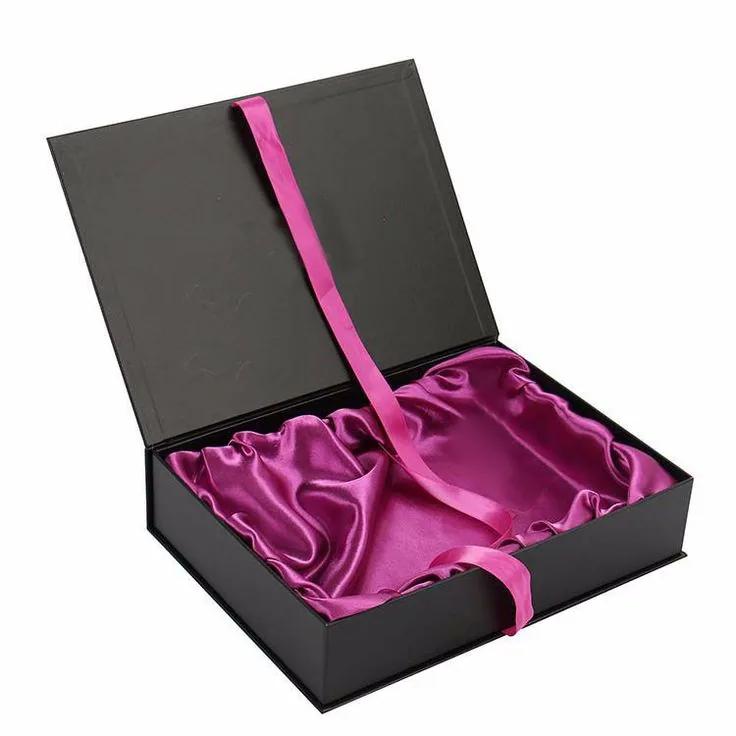
Satin-Lined Magnetic Jewelry & Beauty Box
Combines high-density EVA foam or thermoformed molded inserts with custom-dyed silk or satin fabric lining. Designed to cradle fragile perfume bottles, high-end skincare sets, watches, and jewelry pieces during transport.
Rigid Drawer Box with Magnetic Stop
Combines a sleeve-and-tray slide-out mechanism with a concealed magnetic latch on the outer shell. Prevents accidental tray slippage during retail display while elevating presentation for luxury accessories.
Collapsible Flat-Pack Magnetic Rigid Box
Engineered with precision score lines and four self-adhesive 3M corner tabs or folding side flaps. Ships 100% flat to cut freight costs by 75%, assembling into a rigid box in seconds at fulfillment hubs.
3. Material Science, Board Density & Engineering Specifications
The structural rigidity and lifetime performance of custom magnetic closure rigid boxes depend heavily on raw material density, board moisture content, and precise magnet selection. Standard paperboard boxes utilize folding carton paper (300–400 GSM SBS), whereas rigid boxes utilize solid greyboard cores ranging from 1000 GSM up to 2000 GSM wrapped with premium printed papers.
| Component / Parameter |
Standard Commercial Grade |
Premium Luxury Grade (Packify Standard) |
Engineering Purpose & Value |
| Greyboard Core Density |
1000–1200 GSM (approx. 1.5mm) |
1400–1800 GSM (approx. 2.0mm – 2.8mm) |
Prevents long-term lid twisting, corner crushing, and structural collapse during pallet transit. |
| Magnet Material |
Ferrite / Ceramic Magnets |
N35 or N42 Neodymium (NdFeB) Rare-Earth |
Provides 4x stronger magnetic flux density per millimeter, ensuring a crisp snap even through thick art paper wrap. |
| Wrapping Substrate |
128 GSM Standard Art Paper |
157 GSM C1S Art Paper / Specialty Linen / Leatherette |
Offers higher tensile strength at score lines, preventing white fiber tearing along edges when folded. |
| Surface Lamination |
Gloss / Matte Thermal Film |
Velvet Soft-Touch / Anti-Scratch Tactile Lamination |
Protects against scuffing, fingerprints, and moisture absorption during global ocean freight transit. |
| Interior Inserts |
Standard Paperboard Dividers |
Custom CNC Cut High-Density EVA Foam / Molded Velvet Pulp |
Absorbs shock up to 50G forces, anchoring delicate glass bottles, luxury watches, or electronics. |
Concealed Magnet Mounting Mechanics
A crucial technical nuance in high-end rigid box manufacturing is the method by which magnets are secured. Cheap production runs simply glue magnets onto the board surface, resulting in noticeable circular bumps underneath the paper wrap. Packify utilizes fully automated die-punching machines that carve out circular recesses matching the exact diameter (e.g., 10mm, 15mm, or 20mm) and depth (1.5mm to 2.0mm) of the NdFeB magnet disc. The magnet sits flush with the board face before applying adhesive and outer paper wraps, creating a seamless, flat tactile surface with zero visible bumps.
4. Global Market Trends & Future Procurement Dynamics (2026–2030)
As international regulations around packaging waste intensify and global supply chains adapt to fluctuating ocean freight tariffs, the manufacturing paradigm for custom magnetic closure rigid boxes is undergoing four major structural shifts:
Trend 1: The Accelerated Shift Toward Collapsible (Foldable) Rigid Architectures
Traditional setup rigid boxes represent shipped air—vast volumetric space filled mostly by empty interiors. As carriers enforce volumetric weight pricing (DIM weight calculations), brand procurement teams are aggressively transitioning to collapsible magnetic rigid boxes. By engineering pre-folded structural joints with peel-and-stick adhesive corners or hidden magnetic side walls, brands can import up to 40,000 flat-packed units in a single 40ft HQ container, compared to just 8,000 traditional rigid setup boxes. This equates to an immediate 75% to 80% reduction in inbound logistics and warehousing expenditure.
Trend 2: Eco-Compliant Magnet Disassembly & Monomaterial Recyclability
Under new European Union Packaging and Packaging Waste Regulation (PPWR) guidelines and North American Extended Producer Responsibility (EPR) mandates, packaging composite materials must facilitate easy curbside recycling. Traditional rigid boxes with permanently glued iron magnets face recycling friction because magnets cannot be easily separated from paper pulp. Modern engineering solutions include fully recyclable paper-encased magnetic closures, or micro-perforated magnet release tabs that allow consumers to pop out the Neodymium disc in one second prior to discarding the paper shell.
Trend 3: Tactile & Haptic Finishes Replacing Plastics
Luxury consumers are moving away from heavy plastic clam-shell packaging toward tactile, biodegradable paper solutions. Specialty textured papers—such as embossed woodgrain, soft-touch velvet lamination, raw unbleached natural kraft board, and metallic hot-foil stamping—are providing tactile luxury without non-recyclable plastic substrates.
Trend 4: AI-Driven Supply Chain Sourcing & Zero-Inventory Production Runs
E-commerce brands are eliminating large warehousing risks by leveraging rapid-turnaround custom packaging manufacturers. Instead of locking up capital in 50,000-unit orders stored in third-party logistics hubs for months, brands utilize automated short-run setups (100 to 1,000 units) produced in 8 to 10 business days to test market demand agilely.







.webp)