
Packaging Insights & Industry Guides
Discover expert tips, structural design trends, eco-friendly practices, and packaging strategies to elevate your brand.
Featured Sustainable Packaging Systems
Explore our flagship OEM/ODM recyclable mailers and rigid structural boxes engineered for high-speed automated fulfilment, structural resilience, and 100% curbside recyclability.
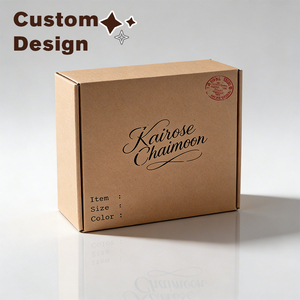
Custom Corrugated Box Logo Printing Apparel Shipping Box
Engineered for e-commerce apparel and logistics shipping. Features high Edge Crush Test strength, soy-based custom logo printing, and self-locking tabs requiring zero plastic tape.
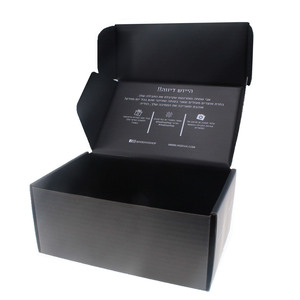
Embossed Rigid Recyclable Shoe & Footwear Logistic Box
Heavy-duty structural paperboard built for luxury footwear. Replaces conventional plastic coatings with water-based eco-varnish and tactile debossing finishes.
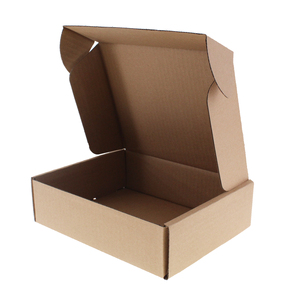
Wholesale Printed Recycled Brown Kraft Corrugated Box
High-volume wholesale shipping solution produced from 100% post-consumer unbleached pulp. Superior stacking strength optimized for international ocean freight containers.
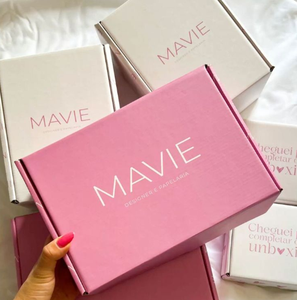
Customized Logo Pink Corrugated Subscription Mailer
Vibrant branded subscription box using ultra-smooth E-flute board. High-definition CMYK offset printing using non-toxic aqueous ink formulations.
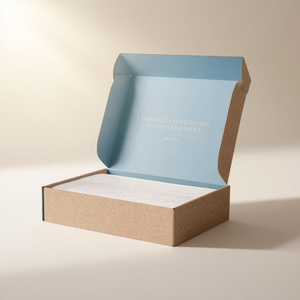
Industrial Custom Printed Corrugated Logistics Box
Maximum-protection shipping box designed to withstand drops, compression, and humidity fluctuations across complex international distribution networks.
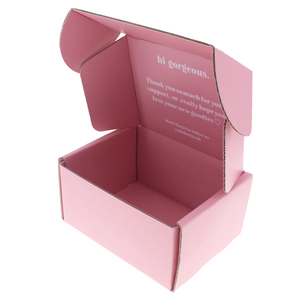
Premium 4C Folding Rigid Gift & Garment Packaging
Innovative collapsible rigid structure that ships flat to cut warehouse storage and freight transport carbon emissions by up to 65% per batch.
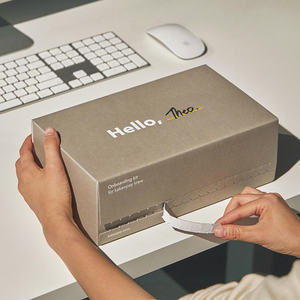
Tear Strip Self-Sealing Eco Corrugated Mailer Box
Integrated double-adhesive strip enables rapid packing and hassle-free customer returns without secondary tape. Accelerated unboxing experience.
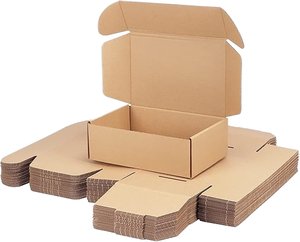
Custom Small Recycled Board Box with Gold Foil Stamping
Compact luxury art-paper packaging designed for accessories and boutique cosmetics. Precision die-cut edges combined with eco-friendly hot foil accents.
Macro-Environmental Drivers & Sustainable Packaging Evolution
A deep-dive technical overview on how international carbon mandates, circular economy legislation, and pulp material advancements are revolutionizing global OEM supply chains.
1. The Regulatory Paradigm Shift: EPR Regulations & Plastic Bans
Global packaging procurement is no longer driven solely by unit cost; it is reshaped by stringent international environmental mandates. The European Union’s Packaging and Packaging Waste Regulation (PPWR) alongside North American Extended Producer Responsibility (EPR) legislation impose escalating eco-contributions on non-recyclable substrates. B2B importers and brand directors must transition from single-use polyethylene laminates toward monomaterial cellulosic structures that qualify for 100% curbside recycling programs.
As an established manufacturer and exporter, our engineering facilities utilize FSC®-certified virgin and post-consumer recycled (PCR) pulp. By replacing petroleum-derived plastics with bio-based aqueous barrier coatings, our packaging systems allow global enterprises to eliminate liability fees, streamline customs clearance, and hit aggressive Scope 3 carbon reduction targets.
2. Structural Paperboard Innovations: Micro-Fluting Strength Ratios
Historic trade-offs between sustainability and physical protection have been solved through advanced corrugated engineering. Traditional bulky C-flute corrugated boxes are increasingly replaced by high-density E-flute, F-flute, and N-flute micro-corrugated architectures. These micro-flutes offer equivalent Edge Crush Test (ECT) resistance while reducing total raw material consumption by up to 30% by weight.
Micro-fluting provides an exceptionally smooth printing surface for high-definition offset CMYK inks while minimizing dimensional weight (DIM weight) surcharges during express parcel transit. This structural efficiency allows high-volume B2B buyers to optimize pallet density, fitting up to 40% more flat-packed boxes per freight container.
Future Procurement Trends in Sustainable Packaging (2026–2030)
Forward-looking intelligence for procurement directors, operations leads, and packaging engineers preparing for the next decade of sustainable distribution.
Monomaterial Pulp & Plastic-Free Barrier Coatings
The next decade heralds the extinction of poly-laminated paperboards. Multi-material packaging—such as paper laminated with PE or PET films—is notoriously difficult for municipal recycling facilities to separate. Future procurement strategies focus exclusively on monomaterial paper substrates treated with repulpable water-based dispersion coatings. These coatings provide oil, grease, and moisture resistance without compromising the box's ability to re-enter standard paper pulping streams.
Right-Sizing & Algorithmic Volumetric Efficiency
Shipping air is one of the largest hidden financial and environmental costs in modern e-commerce. Procurement managers are leveraging custom algorithmic dielines engineered precisely around product dimensions. By reducing void spaces to under 5%, brands eliminate reliance on plastic void-fill materials (such as bubble wrap or foam peanuts) while systematically lowering parcel delivery costs across international carrier networks.
Smart Eco-Packaging & Digital Product Passports (DPP)
Driven by European transparency mandates, packaging is morphing into a digital communication node. Advanced corrugated mailers now incorporate vegetable-ink printed QR codes and invisible digital watermarks. These pass-through markers provide consumers and waste sorting facilities instant access to lifecycle analysis (LCA) data, material origin certification, and localized recycling instructions.
Closed-Loop Dual-Strip Reverse Logistics
With e-commerce return rates reaching up to 30% in sectors like footwear and apparel, packaging engineered for reverse logistics is vital. Future-proof mailers utilize dual peel-and-seal pressure-sensitive adhesive strips flanking a central tear tape. This allows end consumers to reuse the original box for returns without needing secondary adhesive tape, extending the packaging structural lifespan and minimizing waste.
Sustainable Packaging Material Engineering Matrix
Comparative analysis of structural substrates to guide technical procurement decisions based on mechanical strength, recyclability indices, and application suitability.
| Substrate Material | Flute / Caliper Grade | ECT / Bursting Rating | Recyclability Rating | Primary Industrial Application |
|---|---|---|---|---|
| Unbleached Virgin Kraft | E-Flute (1.5mm) / B-Flute (3.0mm) | ECT-32 to ECT-44 | 100% Curbside | Heavy E-Commerce Mailers, Hardware & Automotive Logistics |
| Post-Consumer Recycled (PCR) Corrugated | Single Wall (A, B, E-Flute) | ECT-26 to ECT-32 | 100% Curbside | Apparel Shipping, Subscription Boxes, Household Goods |
| Solid Bleached Sulfate (SBS) Paperboard | 16pt to 24pt Board | Mullen Test: 200–250 PSI | 100% Recyclable | Cosmetics, Pharmaceutical Folding Cartons, Food Packaging |
| Recycled Rigid Chipboard | 800 GSM to 1600 GSM | High Structural Rigidity | 100% Recyclable | Luxury Gift Boxes, Jewelry, Premium Footwear, Consumer Electronics |
| Aqueous-Coated Barrier Board | Micro-Flute / Kraft Paperboard | Custom Moisture Barrier | Repulpable | Bakery Boxes, Chilled Food Logistics, Greasy Confectionery |
Integrated OEM/ODM Manufacturing Capabilities
Partnering with a globally certified packaging exporter provides your brand with uncompromised quality assurance, financial flexibility, and rapid market responsiveness.
Zero Die & Setup Charges
We eliminate traditional upfront tooling costs. Through computer-numerical-control (CNC) laser die-cutting and direct-to-plate digital press workflows, enterprise customers launch custom dielines without expensive steel-rule die setup fees.
No Minimum Order Quantity (MOQ)
From single-unit prototype physical samples for marketing sign-off to full containerload wholesale exports, our agile manufacturing line handles short-runs and high-volume orders with identical precision.
Rapid 8–10 Day Lead Times
Speed to market is a critical competitive edge. Our automated printing presses and streamlined inline folding-gluing infrastructure achieve finished product dispatch within 8 to 10 business days following digital proof confirmation.
ISO 9001 / FSC® Quality Assurance
Every production run undergoes strict quality control. We perform inline spectrophotometric color monitoring (Delta E < 1.5), humidity resistance testing, and COF (Coefficient of Friction) checks to guarantee flawless performance.
Non-Toxic Soy & Water-Based Inks
Our printing presses strictly operate with vegetable-based soy inks and water-soluble aqueous coatings. This ensures zero heavy metal contamination, zero VOC emissions during printing, and complete repulpability during recycling.
Global Freight & Duty Optimization
Our export logistics network spans air express, sea freight (FCL/LCL), and door-to-door DDP solutions across North America, Europe, Oceania, and the Middle East. Complete export compliance documentation provided.
Frequently Asked Questions (FAQ)
Direct technical answers addressing structural engineering, artwork preparation, compliance standards, and bulk export logistics.
Q How do Edge Crush Test (ECT) ratings compare to Mullen Burst Test standards for export mailers?
The Edge Crush Test (ECT) measures the top-to-bottom compression strength of corrugated board, which determines how much weight a stacked box can support during warehouse storage and palletized transit. In contrast, the Mullen Burst Test measures the force required to puncture the face of the board. For modern automated parcel distribution (such as FedEx or UPS networks), ECT ratings (e.g., ECT-32 or ECT-44) are the industry benchmark because stacking strength and volumetric integrity are paramount for preventing crushed packaging.
Q What file formats and structural parameters are required for zero-defect custom printing?
We request vector-based dielines provided in Adobe Illustrator (.AI), Editable PDF, or EPS formats. Artwork must be converted to CMYK color space (or designated Pantone PMS spot codes) with all fonts outlined. For full-bleed designs, extend graphics 3mm (0.125 inches) beyond the cut dieline. Safe text margins should sit at least 3mm inside fold lines. Resolution for placed raster images must meet or exceed 300 DPI at 100% scale to prevent pixelation.
Q How do aqueous barrier coatings preserve recyclability compared to standard plastic lamination?
Traditional plastic film laminations (such as BOPP or PE film) form a synthetic layer over paperboard that cannot be broken down during standard municipal pulping processes, forcing the material into landfills. Aqueous coatings are ultra-thin, water-dispersed polymer formulations applied directly like ink. When an aqueous-coated box is introduced into a paper recycling mill, the coating dissolves completely during the hydrapulping process, allowing 100% of the wood fibers to be recovered and remanufactured into fresh paperboard.
Q Can custom boxes be engineered with dual tear strips for simplified e-commerce returns?
Yes. Our structural packaging team frequently manufactures dual peel-and-seal mailers. The box features a primary adhesive strip sealed by your fulfillment team, a central red tear-strip for effortless tool-free opening by the customer, and a secondary covered adhesive strip inside. If the end customer needs to exchange or return an item, they simply re-insert the product, peel the secondary liner, and seal the box securely without needing packing tape.
Q What certifications support your sustainable manufacturing and export claims?
Our production facilities maintain Chain of Custody (CoC) certification under the Forest Stewardship Council® (FSC®-C123456), guaranteeing that raw timber is harvested from responsibly managed forests. Additionally, our factories operate under ISO 9001 (Quality Management Systems) and ISO 14001 (Environmental Management Systems) standards. All raw inks, adhesives, and coatings comply with REACH, RoHS, and US FDA requirements for indirect food contact suitability.
Q What is the typical production timeline for international enterprise wholesale orders?
Once digital dieline proofs and 3D color renders receive your formal sign-off, standard factory production takes 8 to 10 business days. Expedited production (4–5 business days) is available upon request. International door-to-door transit timelines range from 3–5 business days via air express freight to 20–30 days via ocean container shipping, depending on your final destination port and selected Incoterms (FOB, CIF, DDP).
Transform Your Brand Packaging Infrastructure Today
Partner with an industry-leading sustainable packaging manufacturer. Request custom structural dielines, factory-direct wholesale pricing, and physical eco-material sample kits.