



Poly Mailers Sourcing & Material Engineering Guide 2026–2030
As cross-border e-commerce logistics evolve rapidly across North America, Europe, and Asia-Pacific markets, selecting the optimal shipping envelope has transitioned from a basic packaging decision to a strategic financial driver. Dimensional Weight (DIM Weight) pricing models enforced by major parcel carriers—including FedEx, UPS, DHL, and national postal systems—have made heavy corrugated boxes cost-prohibitive for non-fragile soft goods. Direct sourcing of co-extruded poly mailers from primary China manufacturers provides global brand owners, logistics aggregators, and 3PL fulfillment networks with an immediate 30% to 50% operational cost reduction in shipping volume and freight dead-weight.
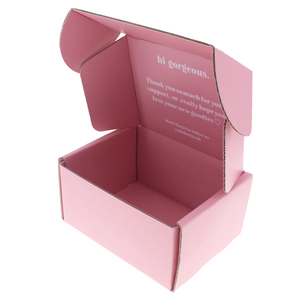
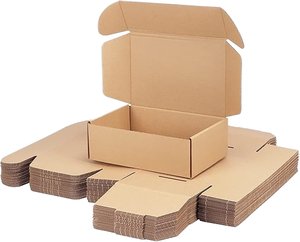
A standard corrugated apparel box weighing 250 grams adds substantial volumetric weight charges during air shipping. Converting to a 60-micron (2.36 Mil) co-extruded poly mailer reduces raw packaging weight down to 18 grams and eliminates volumetric space overhead entirely, unlocking millions of dollars in annual freight savings for enterprise-scale direct-to-consumer (D2C) brands.
1. Polymer Material Science & Co-Extrusion Tech
Poly mailers manufactured by top-tier China OEM suppliers utilize sophisticated multi-layer blown film co-extrusion technology. Rather than relying on single-layer mono films, high-performance poly mailers are extruded using an ABA or ABC 3-Layer Structure:
- Layer A (Outer Surface - Print & Aesthetic Layer): Composed of prime virgin Low-Density Polyethylene (LDPE) blended with Linear Low-Density Polyethylene (LLDPE) and titanium dioxide white masterbatch. This layer yields a smooth, bright-white surface engineered for high-resolution 10-color flexographic branding, barcode readability, and anti-scuff scuff resistance.
- Layer B (Core Layer - Structural Strength & Recycled Content): Designed to absorb kinetic impact and tear energy. This layer frequently incorporates High-Density Polyethylene (HDPE) for puncture rigidity and up to 50%–100% GRS-certified Post-Consumer Recycled (PCR) resin to meet global circular economy regulations.
- Layer A/C (Inner Layer - Privacy & Barrier): Formulated with deep carbon-black pigments to ensure 100% light blockage and complete inner content privacy. The inner surface is surface-treated with slip agents to facilitate rapid automated product insertion on fast-paced fulfillment lines.
Technical Matrix: Packaging Media Structural Comparison
| Packaging Material | Thickness / Density | Puncture Resistance | Waterproofing | DIM Weight Impact | Eco-Compliance |
|---|---|---|---|---|---|
| Co-Extruded Poly Mailers (LDPE/LLDPE) | 50–100 Microns (2.0–4.0 Mil) | Very High (ASTM D1709) | 100% Hydrophobic Barrier | Negligible (Zero Volumetric Expansion) | GRS Recyclable / 100% PCR Available |
| Kraft Paper Padded Mailers | 110–150 GSM Kraft Paper | Moderate | Low (Requires PE Coating) | Low to Moderate | FSC Certified / Biodegradable |
| Poly Bubble Mailers | 60 GSM Poly + 80 Micron Bubble | High Cushioning | 100% Waterproof | Moderate (Bulky Envelope Thickness) | Recyclable (PE Stream #4) |
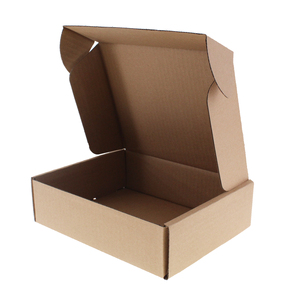
| E-Flute Corrugated Boxes | 1.5 mm – 2.0 mm Thickness | Crush-Resistant Rigid | Vulnerable to Water/Moisture | High (Fixed Cubic Dimensions) | Widely Recycled Paper Stream |
2. Essential Quality Testing Standards for Global B2B Buyers
When auditing a China poly mailers manufacturer, global supply chain directors must mandate independent quality assurance compliance based on international standards:
- ASTM D1709 Dart Drop Impact Test: Measures the energy required to puncture the poly mailer film using a free-falling dart. Premium 60-micron mailers should achieve a minimum dart drop impact resistance of >350 grams to prevent sharp garment tags or shoe box corners from bursting through envelopes during high-speed sorting.
- ASTM D882 Tensile Strength & Ultimate Elongation: Evaluates the maximum force a poly mailer can withstand before tearing. A quality co-extruded mailer must exhibit an elongation capability exceeding 400% in Machine Direction (MD) and Transverse Direction (TD).
- Adhesive Shear & Peel Strength Test (ASTM D3330): Verifies that the hot-melt closure system maintains permanent adhesion. When pulled apart, the seal must tear the underlying poly film (destructive failure) rather than delaminating cleanly, guaranteeing tamper evidence against theft.
- Cold-Climate Brittleness Resistance: Ensures the poly mailer film and adhesive strip do not become brittle or lose adhesive bond when subjected to sub-zero temperatures (-20°C) during winter transit in northern logistics channels.
3. Global Procurement Trends & Regulatory Compliance (2026–2030)
A. Extended Producer Responsibility (EPR) & Packaging Waste Laws
The European Union Packaging and Packaging Waste Regulation (PPWR) and legislative mandates across US states (including California SB 54 and Oregon EPR statutes) now penalize single-use, non-recyclable plastic packaging. Enterprise buyers sourcing from China factories must verify that suppliers hold valid Global Recycled Standard (GRS 4.0) and Recycled Claim Standard (RCS) certifications. Modern production lines utilize up to 100% post-consumer recycled resins while retaining clean white outer surfaces via specialized ABA extrusion.
B. PFAS-Free Directives & Safe Additives
Regulators worldwide are banning Per- and Polyfluoroalkyl Substances (PFAS) commonly used as processing aids in polymer extrusion. China's top OEM manufacturers have transitioned to fluorine-free polymer processing aids (PPA) to ensure full compliance with FDA food-contact standards and European REACH directives.
C. Dual Self-Seal Strips for Circular Return Logistics
With e-commerce apparel return rates exceeding 30% in many fashion segments, poly mailers outfitted with double self-seal adhesive strips and an integrated middle tear strip have become an industry standard. Customers open the mailer cleanly via the perforated tear tape; if a return is necessary, they re-seal the package using the second adhesive line—reducing total plastic waste and simplifying reverse logistics.
4. Factory Selection & Supply Chain Audit Protocol
Sourcing direct from a China supplier requires a transparent audit process. High-volume buyers should prioritize factories offering:
- In-House Blown Film Extrusion: Manufacturers operating their own extrusion towers maintain precise gauge-thickness controls (using laser-guided automatic thickness scanners) and avoid film inconsistency inherent in buying third-party plastic rolls.
- High-Speed 10-Color Flexographic Printing: Water-based flexo printing delivers crisp vector branding and accurate Pantone color matching while eliminating volatile organic compounds (VOCs).
- Automated Bag-Making & Tape Application: High-speed bag-making machinery with integrated hot-melt tape dispensers ensures uniform seam seals, precise lip dimensions, and zero static buildup on release liners.