
Packaging Insights & Industry Guides
Discover expert tips, structural design trends, eco-friendly practices, and packaging strategies to elevate your brand.
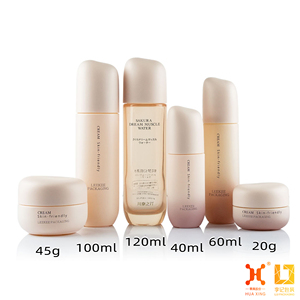
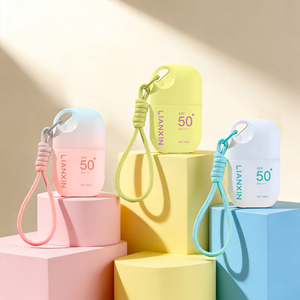
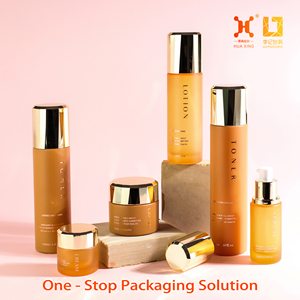
Featured OEM/ODM Cosmetic Containers
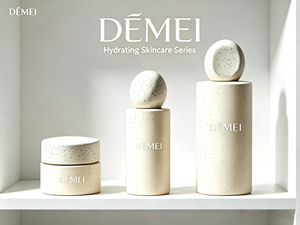
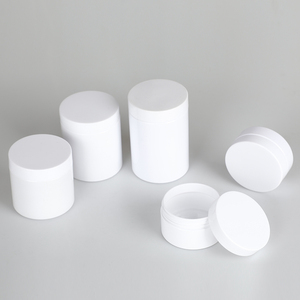
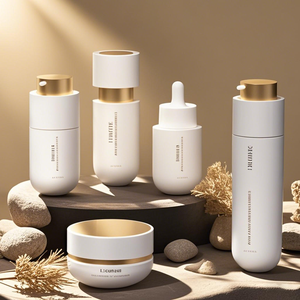
High-precision glass jars, PCR plastic bottles, airless pump systems, and luxury wooden cap packaging engineered for formula integrity and shelf impact.


Why Global Beauty Brands Partner With Us
Combining vertical manufacturing integration, rigorous material science, and agile supply chain logistics to minimize speed-to-market risks.
Full-Spectrum OEM & ODM Customization
From initial 3D industrial rendering and CAD dielines to custom mold engineering (P20 & S136 steel tooling), we provide turnkey manufacturing tailored precisely to your brand's unique volumetric and aesthetic requirements.
Rigorous Quality Assurance & Testing
Every batch undergoes 100% vacuum chamber seal testing (-0.08MPa pressure), drop testing, pump actuation precision testing (0.05cc tolerance), and chemical compatibility evaluation with aggressive active ingredients.
Zero Setup Fee Options & Fast Lead Times
Eliminate initial capital barriers with our standardized open-mold inventory. Benefit from 8–10 business day rapid sampling and 20–25 day full production cycles backed by optimized supply chain scheduling.
Sustainable Material Leadership
Pioneering eco-friendly primary packaging with 30% to 100% Post-Consumer Recycled (PCR) PET/PP/PE plastics, infinitely recyclable glass, bio-based resins, FSC-certified wooden caps, and mono-material recyclable pump engines.
Future Procurement Trends in Cosmetic Packaging (2025–2030)
The global cosmetic packaging landscape is undergoing a structural paradigm shift driven by evolving environmental regulations, volatile raw material markets, and changing consumer behavior. Procurement executives and brand strategists must move beyond simple unit-cost negotiation toward holistic Total Cost of Ownership (TCO) models and supply chain resiliency frameworks.
Strategic sourcing in the beauty sector is now governed by four macro trends that dictate supplier selection and material specification:
1. Regulatory Compliance & EPR Tax Mitigation
Governments across North America and the EU are enforcing stringent Extended Producer Responsibility (EPR) regulations and plastic packaging taxes. Procurement protocols now prioritize packaging solutions engineered with food-grade PCR resins, ocean-bound plastics, and mono-material constructions (e.g., all-PP lotion pumps) to avoid punitive compliance tariffs.
2. Decarbonization & Scope 3 Emission Auditing
Major beauty conglomerates require carbon footprint disclosure across primary packaging tiers. Sourcing high-flint lightweighted glass, cold-process color molded plastics, and regionalized manufacturing hubs dramatically reduces transport emissions and aligns with corporate ESG benchmarks.
3. Speed-to-Market & Low-MOQ Agile Tooling
Indie beauty brands and rapid-deployment D2C lines demand low Minimum Order Quantities (MOQs) for pilot runs. Modular tooling inserts and standardized neck finishes (e.g., 18/410, 20/410, 24/410) allow brands to launch seasonal colorways and limited formulations without incurring full mold tooling lead times.
Primary Packaging Development & Material Engineering Trends
As active skincare formulations become more potent—incorporating volatile L-Ascorbic Acid, Retinol derivatives, peptides, and probiotic ferments—the barrier requirements for primary packaging containers have multiplied exponentially. Standard packaging solutions often lead to formula oxidation, discoloration, or phase separation.
1. Advanced Airless Vacuum Dispensing Technologies
Traditional dip-tube pump systems expose sensitive cosmetic emulsions to atmospheric oxygen and ambient bacterial contaminants during consumer actuation. Next-generation Airless Piston and Airless Bag-in-Bottle (BiB) packaging maintains absolute atmospheric isolation. Utilizing precise dosage engines (dispensing 0.12ml to 0.20ml per stroke), airless systems achieve zero product residue (>98% evacuation rate) and eliminate the need for synthetic chemical preservatives within the formulation.
2. Material Compatibility Matrix: Polymers vs. Actives
Selecting the incorrect polymer matrix risks leaching, stress cracking (ESCR failure), or active ingredient absorption into the container walls. Strategic engineering demands precise polymer alignment:
| Material Type | Barrier Performance | Chemical Compatibility | Sustainability Profile |
|---|---|---|---|
| High-Flint Glass | Impermeable (O2, H2O, UV with amber tint) | Universal chemical inertness | 100% Infinitely Recyclable |
| PET / PETG | High clarity, good gas barrier | Compatible with aqueous & lipid serums | Widely Recyclable (RIC #1), up to 100% PCR |
| Polypropylene (PP) | High moisture barrier, heat resistant | Resistant to solvents, acids, and bases | Ideal for Mono-Material closed-loop recycling |
| PCR-HDPE | High impact strength, opaque barrier | Excellent resistance to essential oils | Diverts post-consumer waste from landfills |
3. Surface Decoration Technologies & Haptic Finishing
Luxury positioning in retail environments hinges on touch and visual depth. Modern OEM decoration leverages eco-conscious, solvent-free techniques: Matte UV Spray Coatings, High-Precision Silk Screen Printing, Metallic Hot Foil Stamping, Gradient Anodizing, and Laser Etching. These finishing technologies provide high scratch resistance, chemical resistance against oils, and superior aesthetic distinction on crowded retail shelves.
Frequently Asked Questions for Sourcing & SCM
Detailed technical answers to common queries regarding OEM/ODM mold development, compliance certifications, MOQ thresholds, and quality control protocol.