
Packaging Insights & Industry Guides
Discover expert tips, structural design trends, eco-friendly practices, and packaging strategies to elevate your brand.
What Are Eco Friendly Kraft Mailer Boxes?
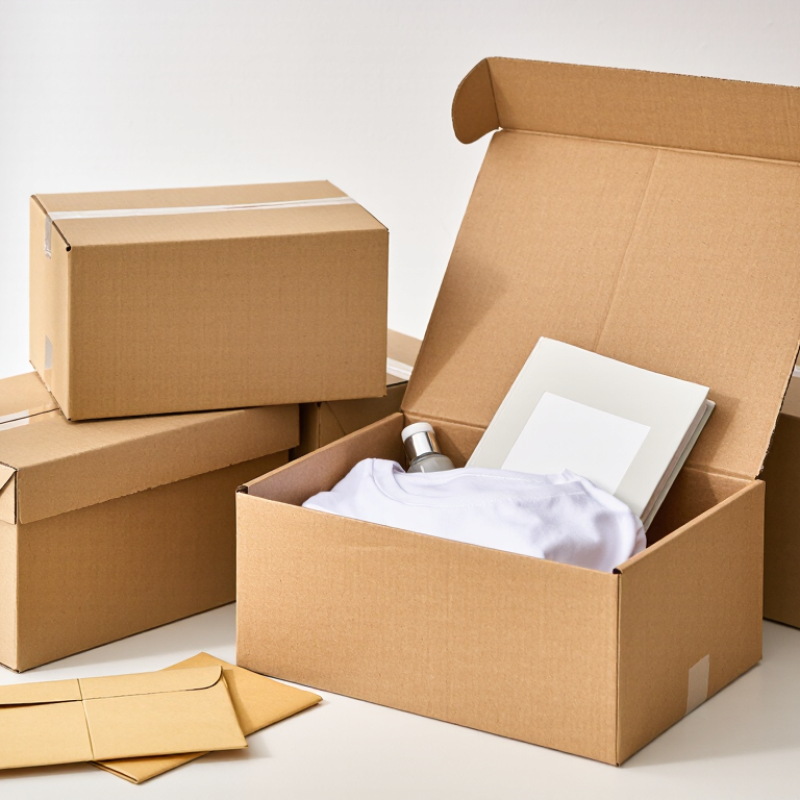
Eco-Friendly Kraft Mailer Boxes are protective shipping packages made mainly from kraft paper, a material known for its strength and natural brown appearance. They usually include folding panels, a self-locking closure, and sometimes a tear strip for easy opening. Unlike ordinary cartons, these mailers are designed to protect products without adding excessive structure or plastic components. Their clean surface also supports simple branding, such as one-color printing or a small stamped logo.
In practical use, a kraft mailer can hold clothing, books, cosmetics, stationery, and other lightweight products. The rigid edges help reduce crushing during delivery, while the snug shape limits unnecessary movement inside the box. However, “eco-friendly” should not be treated as a perfect label. Recyclability depends on coatings, adhesives, inks, and local recycling facilities. A glossy finish may look attractive, but it can complicate processing. That detail is often overlooked.
Responsible packaging decisions require more than choosing a brown box. Businesses should check fiber sources, packaging certifications, product weight, and transport conditions. Recycled kraft content may reduce demand for new materials, while right-sized designs can lower shipping volume. Still, recycled paper is not automatically stronger or better for every product. Testing matters. A simple drop test can reveal weak corners, loose closures, or insufficient cushioning before customers receive damaged goods.
This guide explores what Eco-Friendly Kraft Mailer Boxes are, how they are made, and where they perform best. It also considers their limits, because sustainable packaging should be practical, verifiable, and honestly described.
Definition and Core Features of Eco-Friendly Kraft Mailer Boxes
Eco-friendly kraft mailer boxes are protective shipping packages made mainly from kraft paper, a strong material produced from wood fibers. They usually have a self-locking structure, a paper tear strip, and a flat shape that saves storage space. In practical packing work, I have found them useful for books, clothing, stationery, and small household products.
Their core feature is material efficiency. Kraft paper provides good strength without adding unnecessary plastic layers. Many boxes use recycled fibers, while others use paper from responsibly managed forests. A reliable product should state its material source clearly.
It should also avoid excessive ink, plastic windows, and difficult-to-remove coatings. Simple construction matters.
Less plastic waste.
Recyclability is another important feature, but it is not automatic. A box with heavy lamination, metallic decoration, or mixed materials may need special handling. Local recycling rules can differ, so packaging claims should remain careful and specific. The box also needs suitable cushioning, because sustainable packaging that arrives damaged is not a complete solution. I have seen lightweight mailers perform well, yet weak seams can fail when contents shift during delivery. That small design flaw deserves attention. Eco-friendly does not mean perfect. It means reducing material impact while maintaining useful protection, clear labeling, and practical end-of-life options.
Materials and Manufacturing Process
Eco friendly kraft mailer boxes usually begin with paperboard made from recycled fibers or responsibly managed wood fibers. Recycled kraft paper can reduce demand for fresh resources. However, its fibers become shorter after repeated processing. A practical design may blend recycled content with certified virgin fibers for strength. No material is perfect.
Manufacturers form paperboard sheets, then cut and crease them into precise mailer shapes. Water-based inks are often selected because they contain fewer harsh solvents than many conventional inks. Starch-based adhesives can replace some synthetic glues. These choices matter, but the final impact also depends on energy use, transport distance, and factory waste.
During production, machines fold locking tabs and reinforce stress points around the corners. Quality teams may test compression, edge strength, and drop resistance with filled boxes. I have found that a box that looks sturdy can still fail when exposed to rain. Kraft paper is recyclable, but heavy coatings, plastic windows, or mixed materials may complicate recycling. Minimal printing helps.
Manufacturing efficiency improves when sheets are cut with limited trim waste. Remaining paper scraps can often return to the pulping process. Still, recycled content may vary between suppliers, so buyers should request clear material specifications and testing records. A responsible choice considers the box, the contents, and the entire delivery journey.
Environmental Benefits and Sustainability Considerations
What Are Eco Friendly Kraft Mailer Boxes?
Environmental Benefits and Sustainability Considerations
Eco-friendly kraft mailer boxes are usually made from paperboard with recycled or responsibly sourced fibers. Their brown surface often needs fewer coatings, reducing material use during production. A lighter box can also reduce shipping emissions when size and weight are controlled. That benefit is conditional. Oversized packaging still wastes space, even when the box is recyclable. In packing tests, a snug fit needs less paper padding and protects items from movement.
Kraft paper has a useful recovery pathway. Clean, dry boxes can enter many paper recycling systems. Wet paper, plastic films, heavy laminates, and food residue may lower recycling value. Check local collection rules. Recycling is not guaranteed everywhere. Reuse can extend each box’s life, but repeated folding weakens corners. A box used twice may outperform a stronger box used once, depending on handling and storage.
Sustainability also depends on fiber sources, energy, water, inks, adhesives, and transport. Look for clear recycled-content information and credible forest-management certification. Do not treat a “natural” appearance as proof of low impact. Some kraft mailers use plastic windows or coatings that complicate recycling. Water-based inks can help, but the whole package still matters. Suppliers should provide material specifications, recycled percentages, and disposal guidance. One limitation deserves attention: paper packaging can need extra protection in humid warehouses. Better design means testing compression, moisture exposure, and real delivery routes before scaling.
What Are Eco-Friendly Kraft Mailer Boxes?
Environmental Benefits and Sustainability Considerations
Kraft mailer boxes are paper-based protective packaging commonly made from kraft paper and, in many cases, recycled fibers. Their sustainability advantage is supported by the higher recycling rate of paper and paperboard packaging compared with plastic packaging. In 2018, the recycling rate was 80.9% for paper and paperboard containers and packaging, compared with 13.1% for plastic containers and packaging in the United States. Actual environmental performance also depends on recycled content, coatings, adhesives, inks, transport distance, and local recycling facilities.
Source: U.S. Environmental Protection Agency, Advancing Sustainable Materials Management: 2018 Fact and Figures. Rates represent broad packaging material categories, not individual mailer products.
Common Uses and Available Design Options
Kraft mailer boxes are lightweight shipping packages made mainly from paperboard, often with a natural brown surface. Their appeal comes from practical protection and a lower reliance on plastic materials. However, “eco-friendly” should not be treated as an automatic label. The paper source, coatings, adhesives, ink, and recycling conditions all influence the real environmental impact. Not every green-looking box is genuinely sustainable.
Common Uses and Available Design Options
Small online shops often use kraft mailer boxes for clothing, books, handmade goods, stationery, and compact household products. A rigid structure helps protect corners during delivery, while a snug fit reduces unnecessary movement inside the parcel. For fragile items, businesses can add molded paper inserts, crinkle paper, or folded cardboard supports. These options are useful, but extra material can increase weight and waste. That trade-off deserves review.
Available designs include self-locking flaps, tuck closures, tear strips, and peel-and-seal adhesive lines. A flat mailer saves storage space before assembly. Custom printing can display instructions, return details, or a simple seasonal pattern. Water-based inks are often considered a better choice than some solvent-based alternatives, but suppliers should provide clear material information. Minimal printing may also simplify recycling. Sometimes, less looks better.
Kraft mailers come in various depths, widths, and board strengths. Measuring the product before ordering prevents oversized packaging and costly filler. A matte, unbleached finish gives a warm handmade appearance, while a smooth coated surface creates sharper graphics. Coatings may affect recyclability, so functionality should not override disposal needs. In practice, the best design balances product protection, shipping efficiency, customer handling, and local recycling access.
How to Choose and Dispose of Kraft Mailer Boxes
What Are Eco Friendly Kraft Mailer Boxes?
How to Choose and Dispose of Kraft Mailer Boxes
Choosing an eco-friendly kraft mailer starts with the shipment, not the color. Measure the product, then leave only enough room for a thin protective layer. A snug box uses less material and reduces movement during delivery. Check the paper weight, recycled content, and whether the surface has plastic coating. In packing tests, an oversized mailer often needed extra paper filler. That small choice increased waste. Good mailers should also have strong seams and a reliable closure.
For fragile items, choose a sturdier grade or add recyclable paper padding. Avoid mixing foam, laminated films, and paper in one disposal stream. Before ordering large quantities, test a filled mailer through normal handling. Look for crushed corners, loose seals, or shifting contents. A package can look sustainable and still fail in transit. This is an easy mistake.
Dispose of kraft mailer boxes only when they are clean, dry, and free from residue. Remove plastic windows, thick tape, labels, and non-paper inserts when local guidance requires it. Flatten the mailer to save collection space. Place it with paper recycling if the local program accepts kraft packaging. Rules differ between municipalities. Some accept uncoated paper for composting; others do not. Never assume a recycling symbol guarantees acceptance. Checking local collection guidance prevents more confusion than relying on packaging claims. If recycling is unavailable, reuse the mailer for storage or another shipment while it remains clean and strong.
What Are Eco Friendly Kraft Mailer Boxes? - How to Choose and Dispose of Kraft Mailer Boxes
| Data Dimension | Typical Information | Why It Matters | Recommended Action |
|---|---|---|---|
| Material | Kraft mailer boxes are usually made from paperboard or corrugated fiberboard with a kraft-paper outer layer. | Fiber-based packaging is generally easier to recycle than mixed-material packaging. | Check the product specification for the exact board type and fiber content. |
| Recyclability | Clean and dry paper-based mailer boxes are commonly accepted in paper or cardboard recycling programs. | Local recycling facilities use different rules, equipment, and material requirements. | Confirm acceptance with the local recycling authority before disposal. |
| Recycled Content | Some mailer boxes contain recycled fibers, while others are made primarily from virgin fibers for strength and appearance. | Recycled content can reduce demand for virgin fiber, but performance and responsible sourcing also matter. | Choose packaging with a clearly stated recycled-content percentage when available. |
| Coatings and Finishes | Uncoated kraft paper is generally simpler to recycle than boxes with plastic film, foil, glitter, or heavy laminates. | Additional materials may interfere with pulping or require separation. | Prefer minimal coatings and verify whether inks, labels, and finishes are compatible with local recycling rules. |
| Adhesives | Self-seal strips and paper-based adhesive systems are common; adhesive composition varies by product. | Small amounts of adhesive are usually handled during paper recycling, but large or non-paper components may be problematic. | Remove loose plastic adhesive liners when required by local recycling guidance. |
| Protection Level | Corrugated mailers provide more cushioning and crush resistance than lightweight paperboard mailers. | Selecting adequate protection helps prevent product damage and avoids the environmental cost of replacements and returns. | Match box strength and size to the product rather than choosing an oversized package. |
| Size Efficiency | A close-fitting mailer generally uses less material and reduces empty space during transport. | Smaller packaging can improve storage and shipping efficiency while reducing the need for void fill. | Measure the product and allow enough internal space for safe closure and protection. |
| Forest Sourcing | Responsible sourcing information may include recycled fiber content or certification from an independent forestry standard. | Fiber origin and forest management are important parts of packaging sustainability. | Request verifiable sourcing documentation instead of relying only on the word “kraft.” |
| Reuse Potential | Rigid mailer boxes with intact locking tabs can often be reused for storage, returns, or another shipment. | Reuse extends the useful life of the box before recycling. | Reuse the box when it remains clean, dry, structurally sound, and correctly sized. |
| Preparation Before Recycling | Flatten the box and remove non-paper items such as plastic windows, foam, excessive tape, and shipping labels when required. | Preparation helps the material enter the correct recycling stream and reduces contamination. | Keep the fiber clean and dry before placing it in the designated paper or cardboard collection. |
| When Recycling Is Not Available | A clean, untreated paper-based box may be suitable for home composting only where local guidance permits it; otherwise, use general waste as a last resort. | Coatings, inks, adhesives, and local waste rules can affect compostability. | Do not claim that a box is compostable unless the complete product has been tested or certified accordingly. |
| Best Overall Selection Criteria | Right-sized, durable, recyclable, minimally coated, and made with transparent fiber sourcing information. | Sustainability depends on the complete packaging life cycle rather than on material color or appearance alone. | Compare material composition, performance, end-of-life instructions, and local recycling access before purchasing. |
Note: Recycling, composting, and disposal requirements vary by location. Always follow the instructions provided by the local waste-management authority.
FAQS
They are paper-based shipping boxes made mainly from kraft paper. They often include locking tabs, tear strips, and flat storage designs. Simple is better.
They usually contain recycled fibers or fibers from responsibly managed forests. Some designs blend recycled and new fibers for added strength. No material is perfect.
They can reduce plastic layers and use fewer unnecessary materials. Their lighter weight may also reduce transport emissions. That benefit depends on the box size.
No. Heavy coatings, plastic windows, and metallic decorations can complicate recycling. Clean, dry paper is generally easier for recycling systems to process. Local rules differ.
They suit books, clothing, stationery, and small household products. A snug fit limits movement during delivery. Extra cushioning may still be necessary.
Paperboard sheets are cut, creased, folded, and formed into mailer shapes. Machines reinforce corners and locking points. Paper scraps may return to pulping.
Check recycled content, fiber sources, coatings, adhesives, and disposal guidance. Request material specifications and testing records when possible. Appearance alone proves little.
They can perform well under normal conditions, but moisture may weaken the paper. Compression, drop, and rain exposure should be tested before large-scale use. Weak seams remain a real risk.
Remove plastic parts, tape, and heavy coatings when local rules require it. Keep the box clean and dry before recycling. Reuse may extend its life, but folded corners can weaken.
Conclusion
Eco-Friendly Kraft Mailer Boxes are lightweight, protective packaging solutions made primarily from kraft paper, valued for their natural appearance, recyclable structure, and practical self-locking design. Their core features may include sturdy walls, foldable construction, secure closures, and customizable surfaces for printing labels or simple graphics. Typically, these boxes are produced from responsibly sourced paper fibers through pulping, forming, drying, cutting, and folding processes, with material choices affecting strength and environmental performance.
These mailer boxes can help reduce reliance on plastic packaging, especially when made with recycled or certified paper and minimal coatings, although transportation, ink, adhesives, and disposal methods should also be considered. They are commonly used for shipping clothing, books, documents, small household products, and subscription items. Available options include different sizes, thicknesses, colors, inserts, and closure styles. When choosing a box, consider product weight, dimensions, protection needs, storage space, and local recycling rules. Before disposal, remove non-paper components and keep the box clean and dry so it can be reused or recycled whenever facilities allow.

Blog Tags: