
Custom packaging news, articles, and industry insights
Knowledge Center

Packaging Insights & Industry Guides

Discover expert tips, structural design trends, eco-friendly practices, and packaging strategies to elevate your brand.

0%

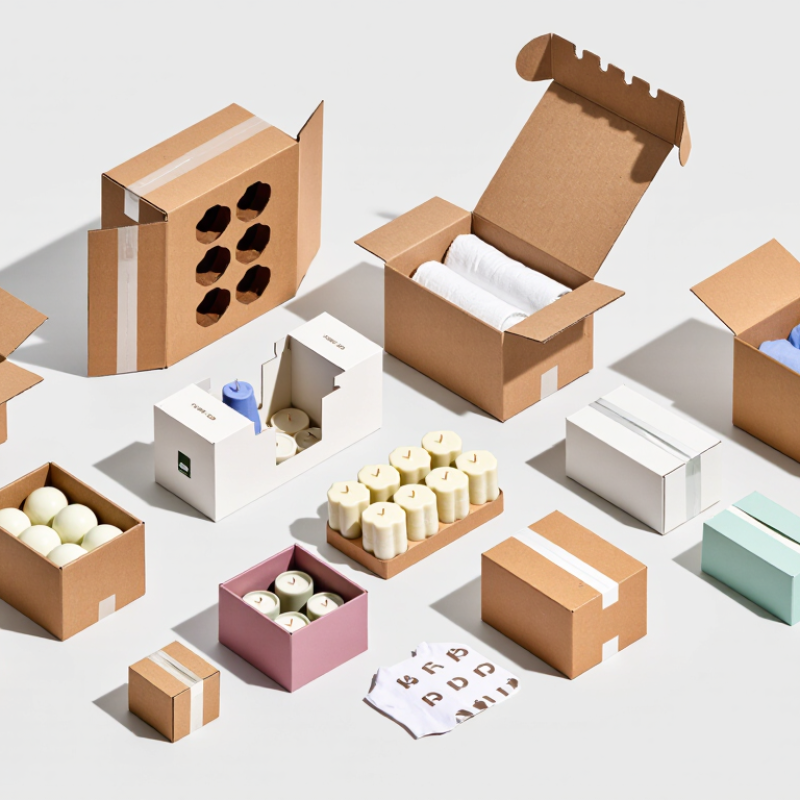
Custom E-Commerce Packaging Boxes are purpose-designed containers created for products sold through online stores. Unlike standard cartons, they can match a product’s dimensions, brand identity, shipping method, and customer experience. A well-designed box may include a printed logo, protective inserts, easy-open tabs, or a resealable strip. Fit matters.

In practice, packaging decisions begin with the product itself. A glass candle needs stronger protection than a soft clothing item. A small skincare bottle may need molded inserts to prevent movement during delivery. Designers also consider box strength, internal space, stacking pressure, and moisture exposure. These details can reduce product damage and unnecessary material use. However, no package performs perfectly in every delivery network. Testing remains essential.

Reliable packaging development often combines supplier experience, material knowledge, and real shipping trials. A brand might send sample boxes through fulfillment centers before approving a final structure. It can then inspect crushed corners, loose inserts, scuffed printing, and opening difficulty. Customer feedback adds another useful perspective. Beautiful packaging is not automatically practical. Sometimes, a simpler box protects better and costs less to transport.

Custom E-Commerce Packaging Boxes can also support a consistent brand experience. Color, typography, tissue paper, and printed care instructions may make an ordinary delivery feel deliberate. Yet sustainability claims require evidence. Recyclability depends on coatings, adhesives, mixed materials, and local collection systems. That choice matters. This guide explains how custom packaging works, what design features deserve attention, and where common assumptions may fail.
What Are Custom E Commerce Packaging Boxes?

What Are Custom E-Commerce Packaging Boxes?

Custom E-Commerce Packaging Boxes

are designed around a product, a delivery route, and the customer’s unboxing experience. Unlike standard cartons, they can match specific dimensions, materials, printing needs, and opening methods.

A small skincare bottle may need an insert, while a folded shirt may need only a snug recyclable mailer box.

In packaging trials, accurate sizing usually matters more than decorative printing. A box with excessive empty space allows products to move during transit.

This can create dents, broken seals, and poor customer impressions. Corrugated cardboard, paper inserts, and water-based inks can support practical and lower-impact packaging choices.

Still, material claims should be checked carefully. “Eco-friendly” is often too vague.

The structure should also fit warehouse routines. Easy-fold designs can reduce packing time, while clear size labels help staff select the right carton.

A secure tuck closure may replace extra tape, but it should be tested with repeated handling. The first version may look attractive and perform badly. That happens.

Good custom packaging balances protection, cost, appearance, and storage space.

Product weight, shipping distance, humidity, and stacking pressure all influence the final design.

A simple sample test can reveal weak corners or difficult openings before larger production begins. Customer feedback may expose another issue: a box can be strong, yet frustrating to recycle when different materials are permanently attached.

What Materials and Designs Are Used for Custom Packaging Boxes?

What Are Custom E-Commerce Packaging Boxes?

Custom e-commerce packaging boxes are designed around a product, shipping route, and customer experience. Materials often include corrugated fiberboard, recycled paperboard, molded pulp, and paper-based cushioning. Corrugated board protects well because its fluted center absorbs shocks while keeping weight relatively low. For heavier products, thicker walls or reinforced corners may be necessary. Lightweight items can use slim mailer boxes instead.

Design decisions should begin with accurate measurements. A box with excessive empty space needs more filler and may increase transport emissions. A tight fit can cause crushed corners or damaged surfaces.

Useful features include tear strips, locking tabs, adjustable depths, and molded inserts. Water-based inks and paper tape can support easier recycling, although coatings and mixed materials may complicate sorting. It is a small detail.

The Pitney Bowes Parcel Shipping Index recorded 161.1 billion parcels worldwide in 2022, showing why packaging efficiency matters at scale.

McKinsey’s 2023 packaging research found that roughly 60–70% of consumers would pay more for sustainable packaging. However, consumer preference does not remove practical limits. Recycled fiber may vary in strength, and molded pulp can require larger tolerances.

In real packing tests, a beautiful design sometimes fails at the warehouse bench. Compression testing, drop testing, and transit trials remain essential before production.

How Are Custom E-Commerce Packaging Boxes Made?

Custom e-commerce packaging boxes begin with accurate product measurements. Length, width, height, and protective space all matter. A box that fits poorly may waste material or damage the item.

Packaging designers create a dieline from these measurements. The dieline shows every panel, fold, tab, and cut. They then select suitable paperboard or corrugated board, depending on product weight and shipping conditions. A printed outer layer can carry instructions, product details, or simple visual elements. Water-based inks may be considered when appearance and responsible material choices matter. The first prototype is rarely perfect. A slightly tight corner can delay packing, while a loose fit may increase movement during delivery.

After approval, large sheets pass through printing and die-cutting equipment. Creasing tools press folding lines without cutting through them. The sheets are folded and glued, or designed with locking tabs for easier assembly. Quality teams inspect print alignment, board strength, adhesive coverage, and opening performance. Drop testing with a filled box can reveal weak corners or shifting contents. In my experience, testing an empty box is misleading. Real products change the result. Some packaging also needs moisture checks when deliveries may face rain or humid storage. Small production adjustments, such as changing a flap angle, can improve packing speed. Yet every adjustment should be tested again, because a faster box is not always a safer box.

What Benefits Do Custom Packaging Boxes Provide for Online Retailers?

Custom e-commerce packaging boxes give online retailers more control over every delivery. A fitted box can hold a ceramic mug, folded shirt, or small electronic accessory without excessive empty space. This reduces movement during transit and can lower the need for extra cushioning. In warehouse trials, consistent box sizes also make packing stations faster and easier to organize. Small gains matter.

Printed packaging can extend the shopping experience beyond the checkout page. A clear logo, color system, and short care message help customers recognize the parcel immediately. Thoughtful opening details may encourage repeat purchases and organic sharing. However, attractive printing is not enough. Packaging must resist compression, moisture, and rough handling. Retailers should test filled boxes with drop, vibration, and stacking checks before ordering in volume. A damaged parcel weakens trust quickly.

Custom boxes can support accurate shipping costs when dimensions match the product. They may also reduce material waste when designs avoid oversized panels and unnecessary inserts. Yet customization has limits. Specialized sizes can increase unit prices and complicate inventory if product demand changes. I have seen businesses over-order boxes after forecasting seasonal sales too confidently. A smaller test run often reveals better dimensions, packing speed, and customer response. The best design balances protection, appearance, labor, storage space, and measurable cost.

How Can Businesses Choose the Right Custom Packaging Boxes?

Choosing the right custom e-commerce packaging box starts with the product, not the artwork. Measure the item, protective padding, and shipping space together. A snug box can reduce movement, damage, and material waste. However, an overly tight fit may crush corners or complicate packing. Fit matters. According to Smithers’ The Future of E-Commerce Packaging to 2027, the global e-commerce packaging market was valued at about $61.55 billion in 2022 and is expected to reach $84.75 billion by 2027. That growth increases pressure to balance protection, cost, and presentation.

Tips: Compare at least three box styles, such as mailer boxes, folding cartons, and corrugated shipping boxes. Test each with drop, compression, and vibration trials. Ask suppliers for board strength, recycled content, and moisture-resistance data. The Sustainable Packaging Coalition recommends evaluating packaging across its full life cycle, not only its appearance. In practice, a lighter box may lower shipping costs but need stronger internal protection. A beautiful unboxing experience means little after a damaged delivery.

Small details influence the final choice. Consider warehouse stacking, sealing speed, return handling, and storage space. McKinsey’s sustainability research reports that 60% to 70% of consumers may pay more for sustainable packaging, but willingness does not remove price sensitivity. That finding deserves caution. Customers may praise recyclable materials while rejecting higher delivery costs. Run a small pilot before ordering thousands of units. Measure damage rates, packing time, customer feedback, and actual shipping weight. Then revise the box design. Perfect on paper? Rarely.

Custom E-Commerce Packaging Boxes: Choosing the Right Material

Custom packaging boxes are designed around a product’s dimensions, weight, protection needs, shipping conditions, and branding requirements. Material recyclability is another important factor when comparing packaging options.

U.S. packaging recycling rates by material, 2018. Paper and paperboard generally provide a strong balance of protection, customization, and recyclability, while the final choice should also consider product fit, box strength, cushioning, and shipping cost. Source: U.S. Environmental Protection Agency, Advancing Sustainable Materials Management: 2018 Fact Sheet.

FAQS

What materials are commonly used for custom e-commerce packaging boxes?

Common materials include corrugated fiberboard, recycled paperboard, molded pulp, and paper-based cushioning. Corrugated board uses fluted layers to absorb shocks. Recycled fiber can vary in strength. That matters.

How should a business choose the correct box size?

Measure the product, padding, and required shipping space together. A snug fit limits movement and reduces filler. An overly tight box may crush corners. Measure twice.

Which box styles suit online retail products?

Mailer boxes work well for lightweight items and simple packing stations. Folding cartons suit smaller retail products. Corrugated shipping boxes handle heavier or fragile items. Needs differ.

What design features can improve packaging performance?

Tear strips can simplify opening and returns. Locking tabs may reduce the need for extra sealing materials. Adjustable depths help accommodate different product sizes. Molded inserts hold items firmly.

How can custom packaging reduce material waste?

A fitted box leaves less empty space around the product. This can reduce filler and unnecessary packaging panels. Smaller boxes may also lower shipping weight. Not always.

What testing should be completed before ordering large quantities?

Test filled boxes with drop, compression, vibration, and stacking trials. Check corners, seams, inserts, and product surfaces afterward. A beautiful sample can fail at a warehouse bench. Testing reveals that.

How can packaging support an online shopping experience?

Clear colors, simple graphics, and short care messages can make parcels easier to recognize. Opening details may improve customer memories. Printing cannot repair damaged contents. That is easy to forget.

What sustainability factors should businesses consider?

Consider recycled content, paper-based materials, water-based inks, and paper tape. Mixed materials and coatings may complicate recycling. Evaluate the full life cycle, not appearance alone. Claims need caution.

Why should businesses run a small packaging pilot?

A pilot can reveal packing speed, damage rates, storage needs, and real shipping weight. It also tests customer responses before mass production. Seasonal forecasts can be wrong. I have seen it happen.

How should packaging costs be balanced with protection?

Compare material cost, shipping weight, labor, storage space, and replacement risks. A lighter box may require stronger internal protection. A premium design may raise costs too far. Balance is imperfect.

Conclusion

Custom E-Commerce Packaging Boxes are specially designed containers created to protect, present, and deliver products sold through online stores. Unlike standard packaging, they can be tailored in size, shape, color, printing, and structure to match a product’s requirements and a business’s visual identity. Common materials include corrugated cardboard, paperboard, kraft paper, and recyclable options, while designs may feature inserts, protective cushioning, folding structures, or easy-open closures. These boxes are produced through a process that usually involves measuring the product, creating a structural design, selecting materials, printing graphics, cutting, folding, and assembling the final package.

For online retailers, custom packaging can improve product protection, reduce unnecessary shipping space, enhance the unboxing experience, and create a more professional presentation. It may also support sustainability goals when lightweight or recyclable materials are selected. To choose the right option, businesses should consider product dimensions, weight, fragility, shipping conditions, production quantities, budget, storage space, and environmental preferences. A well-planned packaging solution balances durability, appearance, practicality, and cost while helping products arrive safely and leave a positive impression.

Charlotte

Charlotte

Charlotte is a professional marketing specialist with extensive knowledge of the company’s products, services, and customer-focused solutions. Through a combination of market insight, clear communication, and practical industry experience, she helps audiences understand how the company’s offerings......