
Packaging Insights & Industry Guides
Discover expert tips, structural design trends, eco-friendly practices, and packaging strategies to elevate your brand.
Top Custom Magnetic Closure Rigid Boxes Suppliers?
Custom Magnetic Closure Rigid Boxes are becoming a serious choice for premium brands seeking protection and presentation. Their crisp edges, concealed magnets, and soft-touch surfaces create a memorable opening experience. Still, appearance alone cannot identify a dependable supplier.
Smithers’ luxury packaging forecasts through 2028 highlight premium presentation, material innovation, and sustainability as important market influences. These findings matter when comparing box manufacturers. A supplier should offer traceable paperboard, consistent foil stamping, accurate color matching, and documented quality checks. FSC-certified materials can also support responsible sourcing, when certification is verified rather than simply claimed.
Mondi’s packaging trend research likewise emphasizes recyclability, material efficiency, and clearer sustainability communication. That creates practical questions for buyers. Can the magnetic mechanism be separated during recycling? Is the insert made from molded pulp, foam, or paperboard? Does the factory provide samples before mass production?
Small details reveal experience.
A reliable supplier should explain compression strength, hinge durability, magnet placement, and carton dimensions in measurable terms. They should also disclose minimum order quantities, sampling fees, lead times, and inspection procedures. Reports from organizations such as the Sustainable Packaging Coalition reinforce the need for evidence-based environmental claims, not vague green language.
This guide examines leading Custom Magnetic Closure Rigid Boxes suppliers through those criteria. It considers manufacturing capability, customization depth, communication, certifications, and delivery reliability. No supplier fits every brief. A luxury cosmetics brand may value velvet interiors, while an electronics company may need stronger board and tighter tolerances. That difference is easy to overlook. The best choice depends on the product, budget, market, and packaging objective.
What Are Custom Magnetic Closure Rigid Boxes?
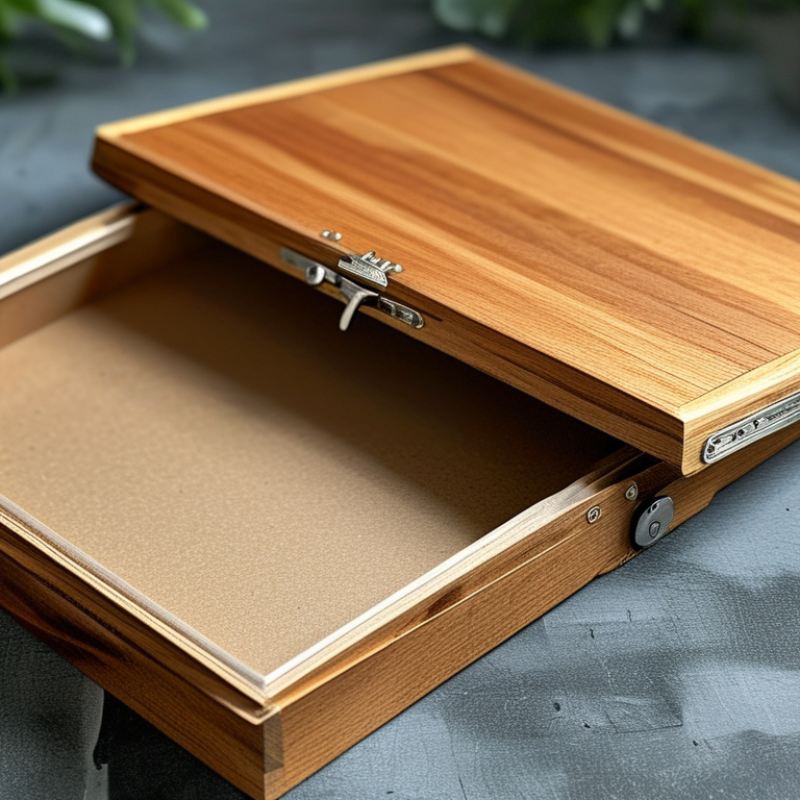
Magnetic closure rigid boxes are premium folding cartons made from thick paperboard, often wrapped in coated paper, textured stock, or fabric. Their hinged lid closes with concealed magnets, creating a firm snap without adding visible hardware. Unlike ordinary folding cartons, these boxes arrive mostly assembled and keep their shape during repeated opening. They suit cosmetics, watches, electronics, gifts, and other products needing presentation and protection.
Grand View Research valued the global luxury packaging market at about USD 17.6 billion in 2023, with continued growth expected through 2030. This demand reflects more than appearance. A dense greyboard structure resists crushing, while foam, molded pulp, or paper inserts limit movement inside. Yet magnetic boxes are not automatically sustainable. The additional board, wrapping layers, and mixed materials can complicate recycling. McKinsey’s consumer research found that 60% to 70% of respondents may pay more for sustainable packaging, but practical disposal still matters. That gap deserves attention.
Tips: Specify the product weight, hinge direction, and opening angle before sampling. Ask for magnet strength testing after repeated openings. Choose paper-based inserts where possible. Small details count. A lid that feels loose can weaken the entire experience. A beautifully wrapped box may still be oversized, wasteful, or difficult to recycle.
How Magnetic Closure Rigid Boxes Are Designed and Manufactured
Magnetic closure rigid boxes begin with a functional brief, not decoration. Package engineers define the product size, opening experience, weight, and storage conditions. They select rigid board, often between 1.2 and 2.5 millimeters thick. The board must resist bending without making the box unnecessarily heavy. A capable supplier also checks the magnet position against the lid structure. Small errors can affect alignment.
The design team creates a dieline and a physical prototype before mass production. They test paper grain, corner wrapping, hinge movement, and the closing force. Magnets are usually recessed beneath the paper wrap or fitted into concealed pockets. Their polarity must match. Otherwise, the lid may repel instead of close. Details matter here. Foil, embossing, soft-touch film, and textured papers are applied after material compatibility checks. Some finishes look excellent on samples but crack around sharp folds.
Manufacturing typically includes board cutting, grooving, folding, wrapping, magnet installation, and hand assembly. Quality inspectors measure dimensions and open the box repeatedly. They also examine glue marks, uneven edges, surface bubbles, and weak hinges. In practical packaging work, the first prototype is rarely perfect. A lid may sit slightly high, or the magnet may feel too strong. That feedback should change the structure, not be hidden. Reliable suppliers document these adjustments and approve a production sample before larger quantities proceed.
Key Features and Customization Options to Consider
When evaluating top custom magnetic closure rigid box suppliers, inspect the closure before admiring the finish.
A reliable supplier should explain magnet strength, placement, and shielding clearly. The lid must close with a firm click, not a sudden snap. Test it with the planned product inside. A sample reveals warped boards, weak corners, and uneven gaps. These defects often disappear in polished photographs.
Choose board thickness according to product weight and shipping conditions. Wrapped paper, fabric, soft-touch film, and textured stocks create different tactile impressions. Ask for color proofs, because screens can hide small shifts in red or beige.
Foil stamping, embossing, debossing, and spot coating add hierarchy to a design. Use them carefully. Too many effects can make a premium box look confused. Interior trays may use molded pulp, foam alternatives, paperboard, or fabric-covered inserts. Each option affects protection, cost, and recyclability.
An experienced supplier should provide dielines, material data, tolerance ranges, and a documented sampling process.
Request closure-cycle testing and drop testing when the box travels through parcel networks. Confirm adhesive performance under humidity and temperature changes. I have seen beautiful prototypes fail after repeated opening. That is a useful warning, not a minor detail. Lead time estimates should include proof approval, tooling, production, and inspection. Ask how rejected units are recorded and replaced. A supplier may promise perfection; measurable quality checks are more trustworthy.
How to Evaluate and Compare Box Suppliers
When evaluating custom magnetic closure rigid box suppliers, compare evidence, not polished presentations. Request a physical sample with your artwork, board thickness, magnet strength, wrapping paper, and insert design. Check lid alignment, corner sharpness, adhesive marks, and closure noise. Small defects become expensive at scale. Ask for a documented quality plan, inspection limits, and corrective-action records.
Use one specification sheet for every supplier. Compare unit pricing at the same quantity, tooling fees, minimum order quantity, lead time, packaging method, and replacement policy. Require test results for compression, drop resistance, humidity exposure, and repeated opening cycles. ISO’s Survey 2022 recorded more than 1.2 million ISO 9001 certificates worldwide, but certification alone does not prove consistent box quality. Ask how the factory applies it.
Traceability also matters. The FSC Facts & Figures 2023 report lists more than 230 million certified forest hectares, making certified paper sourcing a measurable checkpoint. The U.S. EPA’s 2018 packaging report states that containers and packaging represented 28.1% of municipal solid waste. That figure supports practical material reduction, not decorative claims. Request paper certificates, recycled-content percentages, and production records. Ask for evidence.
A supplier should explain magnet placement and tolerances clearly. Compare sample approval procedures and communication speed. Price is important, but the cheapest quote may hide weak inserts or unstable wrapping. I have found that “premium” samples can conceal rushed mass production. Arrange a pilot run before committing to a large order. Mistakes still happen. Your comparison sheet should record them, including late replies and unclear revisions.
Common Applications and Packaging Industry Uses
Top Custom Magnetic Closure Rigid Boxes Suppliers?
Custom magnetic closure rigid boxes serve many premium packaging applications. Their firm structure protects delicate products during storage and transport. The concealed magnet also creates a smooth opening experience.
These boxes are common in cosmetics, jewelry, electronics, specialty foods, and gift packaging. A skincare set may use molded inserts for bottles and small accessories. Jewelry packaging often combines velvet, paperboard, or soft foam interiors. Electronics brands use rigid boxes to improve presentation and reduce movement. In food packaging, moisture-resistant materials deserve careful evaluation. Not every magnetic box suits direct food contact.
They look refined.
Tips: Ask suppliers for material samples, magnet strength tests, and drop-test results. Confirm the box dimensions after inserting the product, not before. Review surface finishes under bright retail lighting. Matte lamination hides fingerprints, while textured paper can improve grip. Recycled board may support sustainability goals, but its color and stiffness can vary. That detail is easy to overlook. Suppliers with packaging engineering experience can recommend inserts, tolerances, and closure placements for different industries. I have found that early prototype testing prevents costly adjustments later. Still, magnetic closures are not automatically practical for every product. Heavy items may require reinforced walls, while frequent-use packaging may need stronger hinge construction. Supplier claims should be checked against samples and documented performance data.
Top Custom Magnetic Closure Rigid Boxes Suppliers? - Common Applications and Packaging Industry Uses
| Application | Typical Products | Recommended Box Structure | Common Materials | Magnetic Closure Use | Key Packaging Benefits |
|---|---|---|---|---|---|
| Luxury Cosmetics | Skincare sets, fragrance collections, makeup palettes and gift kits | Book-style box with a hinged lid and custom insert | Paper-wrapped rigid board, coated paper, molded pulp or EVA inserts | Keeps the lid aligned and provides a smooth opening and closing experience | Premium presentation, product organization and enhanced shelf appeal |
| Jewelry and Watches | Rings, earrings, bracelets, watches and presentation sets | Compact rigid box with a fitted tray, slots or removable insert | Wrapped paperboard, velvet, microfiber, foam or satin lining | Creates a secure closure while maintaining a refined unboxing effect | Protection from movement, improved perceived value and reusable storage |
| Premium Food and Confectionery | Chocolate assortments, tea collections, confectionery and corporate gifts | Lid-and-base box or magnetic book-style box with food-safe inner packaging | Rigid board, printed paper wrap, food-contact inner tray or paper insert | Supports repeated opening for gift presentation and product access | Strong visual impact, organized presentation and suitable gift positioning |
| Fashion Accessories | Leather goods, scarves, belts, sunglasses and small accessories | Deep book-style box or two-piece rigid box with protective fitment | Rigid paperboard, textured paper, fabric lining and protective tissue | Provides a firm closure without requiring external straps or adhesive seals | Protects products during storage, supports premium retail presentation |
| Consumer Electronics | Headphones, accessories, smart devices and technology gift sets | Reinforced rigid box with die-cut, molded or foam interior protection | Rigid board, recycled paperboard, EVA, molded pulp or custom foam | Helps keep the lid closed during handling and presentation | Improved product protection, structured layout and premium opening sequence |
| Corporate and Promotional Gifts | Welcome kits, event gifts, awards and branded merchandise collections | Multi-compartment magnetic box or collapsible rigid gift box | Recycled rigid board, printed paper, fabric, foam or molded pulp | Allows frequent access while maintaining a clean, secure appearance | Efficient product grouping, strong customization potential and gift reusability |
| Pharmaceutical and Wellness Gifts | Supplement sets, wellness kits, samples and educational gift packs | Rigid presentation box with a fitted insert and separate product cartons | Paper-wrapped board, molded pulp, paper inserts and protective dividers | Suitable for presentation packaging when regulated products remain sealed inside | Organized presentation, secondary protection and clear compartmentalization |
FAQS
It is a firm paperboard box with concealed magnets inside the lid and front panel. The magnets create a smooth closing action. Small alignment errors can affect performance.
Many boxes use board between 1.2 and 2.5 millimeters thick. Thicker board resists bending but adds weight. The ideal thickness depends on the product.
Engineers define product size, opening movement, weight, and storage conditions. They create a dieline and build a physical prototype. The prototype tests folding, hinges, paper grain, and magnet placement.
Magnets are usually hidden beneath the paper wrap or inside concealed pockets. Their polarity must match correctly. Otherwise, the lid may push away instead of closing.
Production includes board cutting, grooving, folding, wrapping, magnet fitting, and hand assembly. Workers inspect edges, glue marks, bubbles, hinges, and dimensions. Some assembly steps remain manual.
They suit cosmetics, jewelry, electronics, specialty foods, and gift packaging. Inserts can hold bottles, accessories, jewelry, or small devices. Delicate products need controlled movement inside the box.
They can be suitable for some food packaging applications. Moisture resistance and material compatibility require careful checking. Not every magnetic box is suitable for direct food contact.
Request material samples, magnet strength tests, and drop-test results. Check dimensions after placing the product inside. Inspect finishes under bright retail lighting. Claims should be compared with documented performance.
The lid may sit slightly high, or the magnet may feel too strong. Sharp folds can crack certain finishes. The first prototype is rarely perfect. That feedback should change the structure, not disappear.
No. Heavy products may need reinforced walls and stronger hinge construction. Frequently opened boxes require durable hinges. A refined appearance alone does not prove practical performance.
Conclusion
Custom Magnetic Closure Rigid Boxes are premium packaging solutions designed with a sturdy structure and a concealed magnetic fastening system that creates a smooth, secure opening and closing experience. This article explains how these boxes are designed and manufactured, from selecting rigid board and wrapping materials to shaping the box, embedding magnets, and applying finishing details. It also explores customization options such as dimensions, compartments, inserts, paper textures, printing, foil accents, and protective coatings, helping businesses create packaging that reflects their product identity.
When comparing suppliers, buyers should evaluate material quality, construction precision, customization capabilities, production capacity, communication, sample services, quality control, lead times, and shipping support. The article also highlights common applications for Custom Magnetic Closure Rigid Boxes, including luxury retail products, electronics, cosmetics, gifts, promotional items, and specialty goods. By considering both design flexibility and supplier reliability, businesses can choose packaging that offers strong protection, attractive presentation, and a memorable unboxing experience.

Blog Tags: